
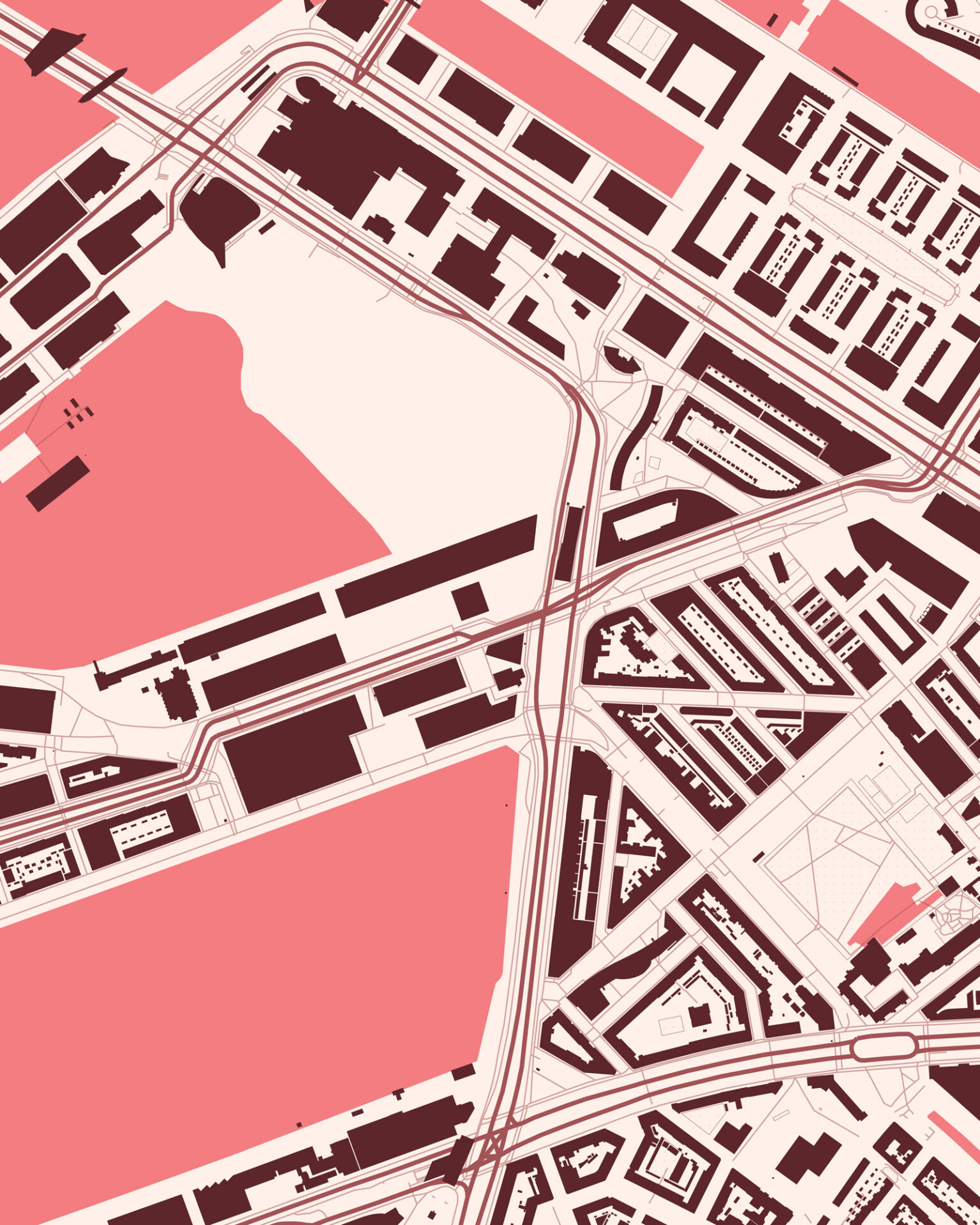
While the new developments around the Rijn- and Maashaven are steaming ahead, this route invites you to take a closer look at the public spaces that already exist. The walk takes you on a tour from Hof van Zuid to Maashaven, along architecture and art.
1
2
3
4
5
6
7
8
9
10
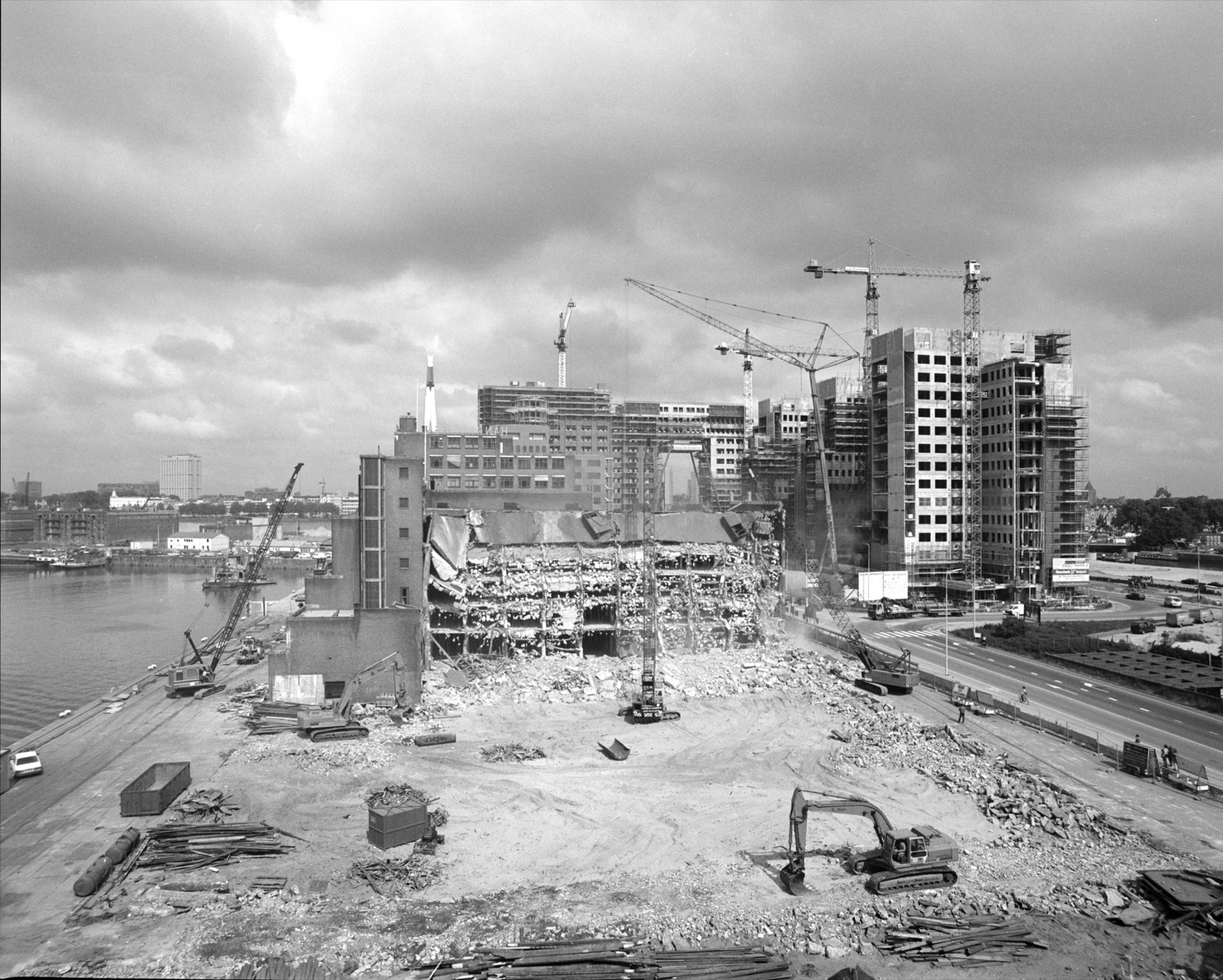
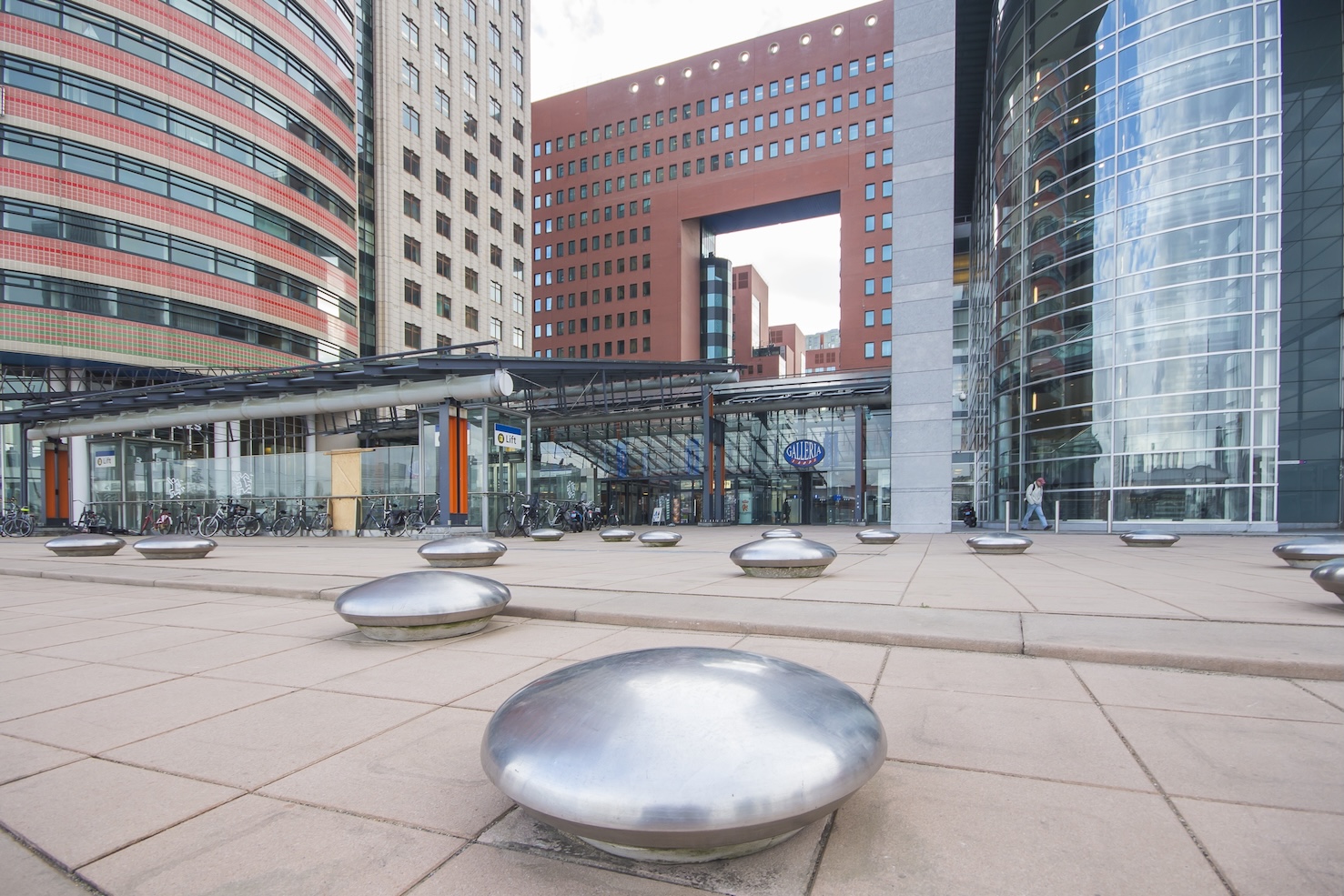
In 1996 the Erasmus Bridge created a new connection with the Kop van Zuid, which was then undergoing redevelopment. A metro station was constructed around the same time. This was a technical tour de force because it was built around the existing tunnel. The first office buildings in the former dockland area rose up here. The tax authorities and the law court moved into a large complex. A large opening marks the route of the metro tunnel below ground, which of course could not be built over. The complex contains an unexpected public space, Hof van Zuid, which is worth visiting.
Back to map
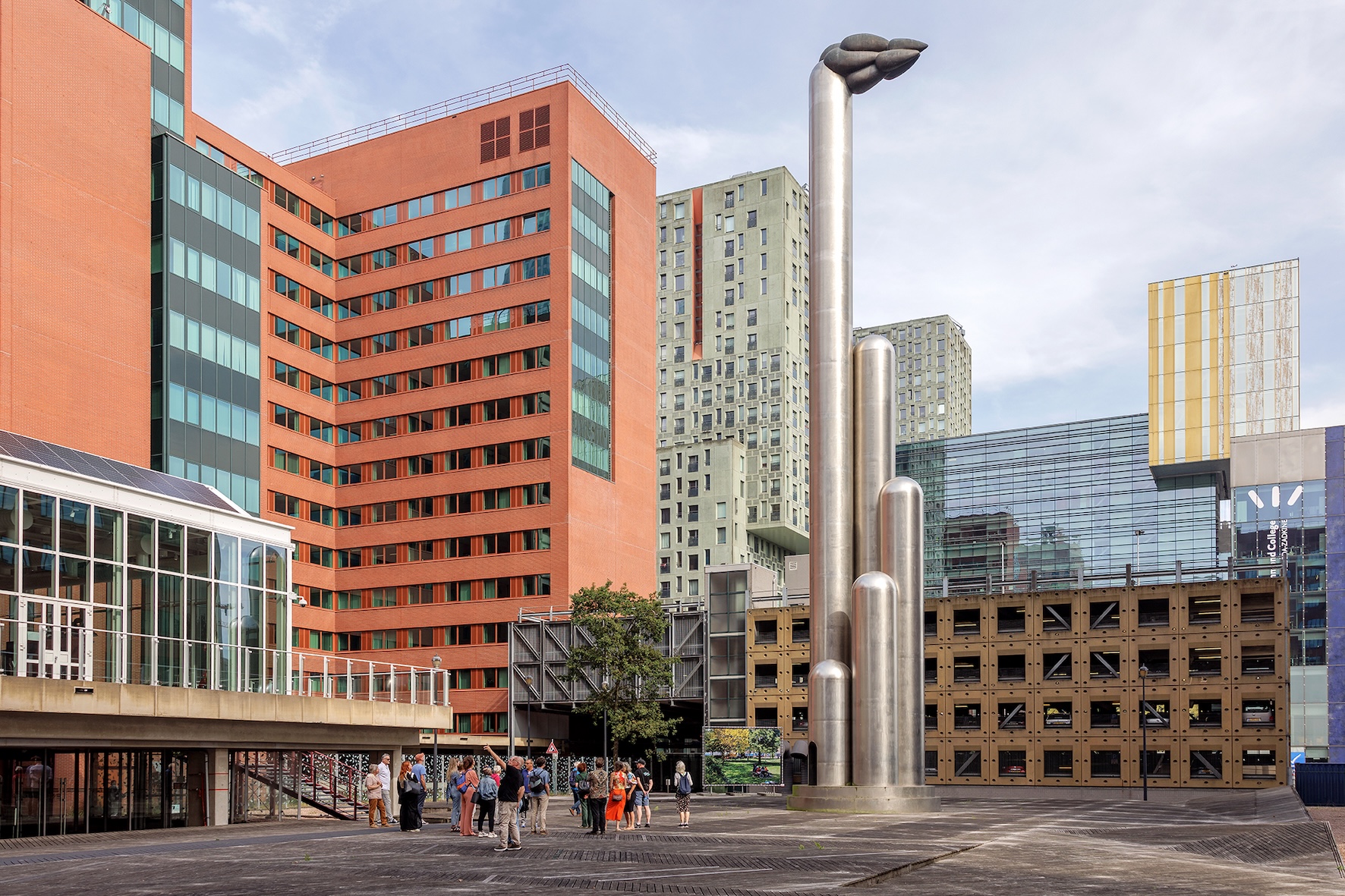
Hidden among the office volumes lies Hof van Zuid. This public space was designed by the Rotterdam office West 8. Like the Schouwburgplein from the same period, they designed this space as a stage. The mosaic of timber planks contrasts with the brickwork and glass of the surrounding buildings. A striking element is the 30-metre-tall artwork The Asylum by Joost van den Toorn, which you can also enter. The abstract cloud on the work then becomes clear: you see the cloudy skies passing overhead.
Back to map
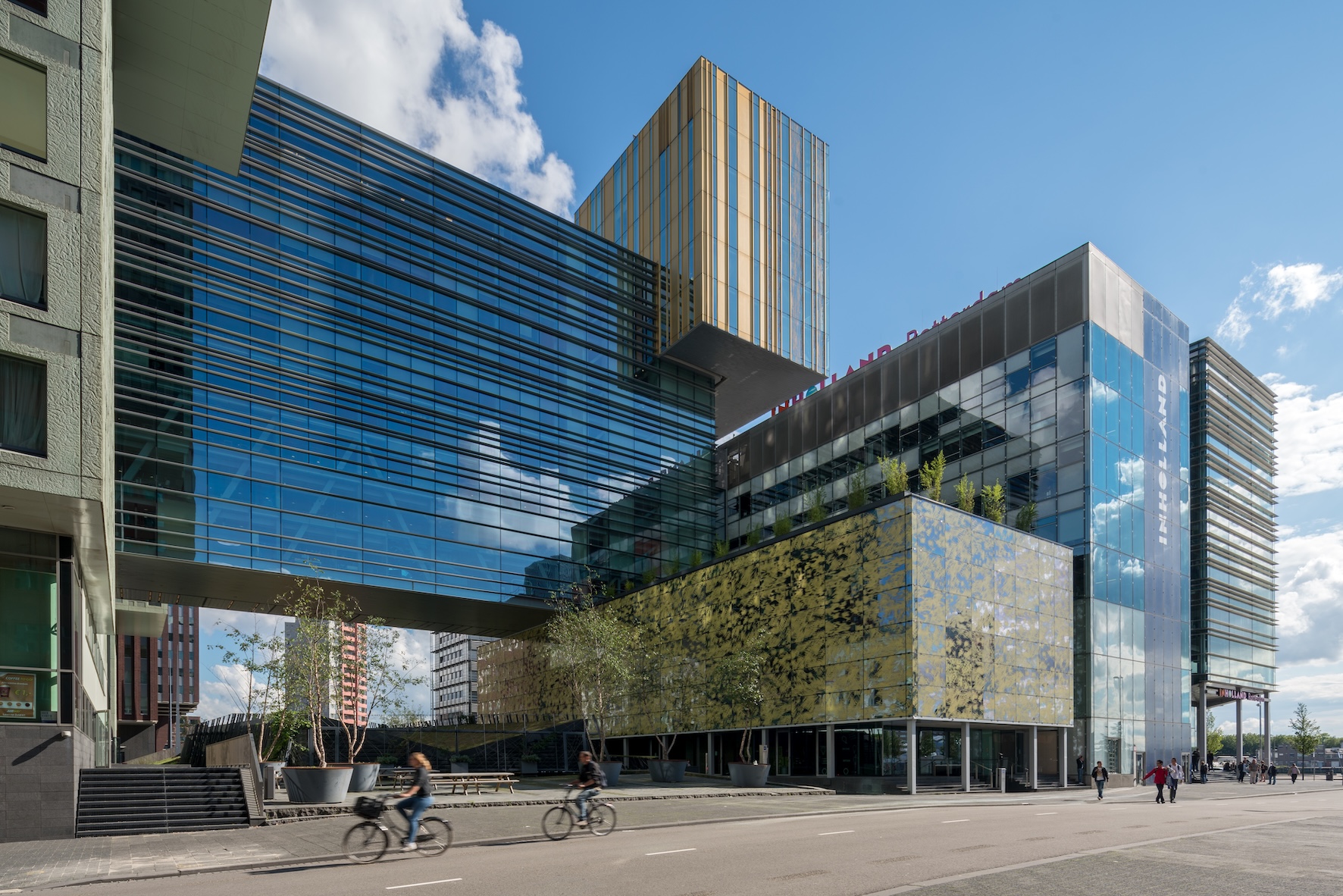
When it was built, the Inholland university building was way ahead of its time. The design answers to the demand for flexible use, with various spaces grouped around a large atrium. The glass facades still offer a splendid view of the Rijnhaven. Shortly after its completion, the building was extended with striking volumes and a bridge building that connects with Cité (Tangram architects), a complex of student housing. Erick van Egeraat also designed the public courtyard between these buildings: the Ichthushof.
Back to map
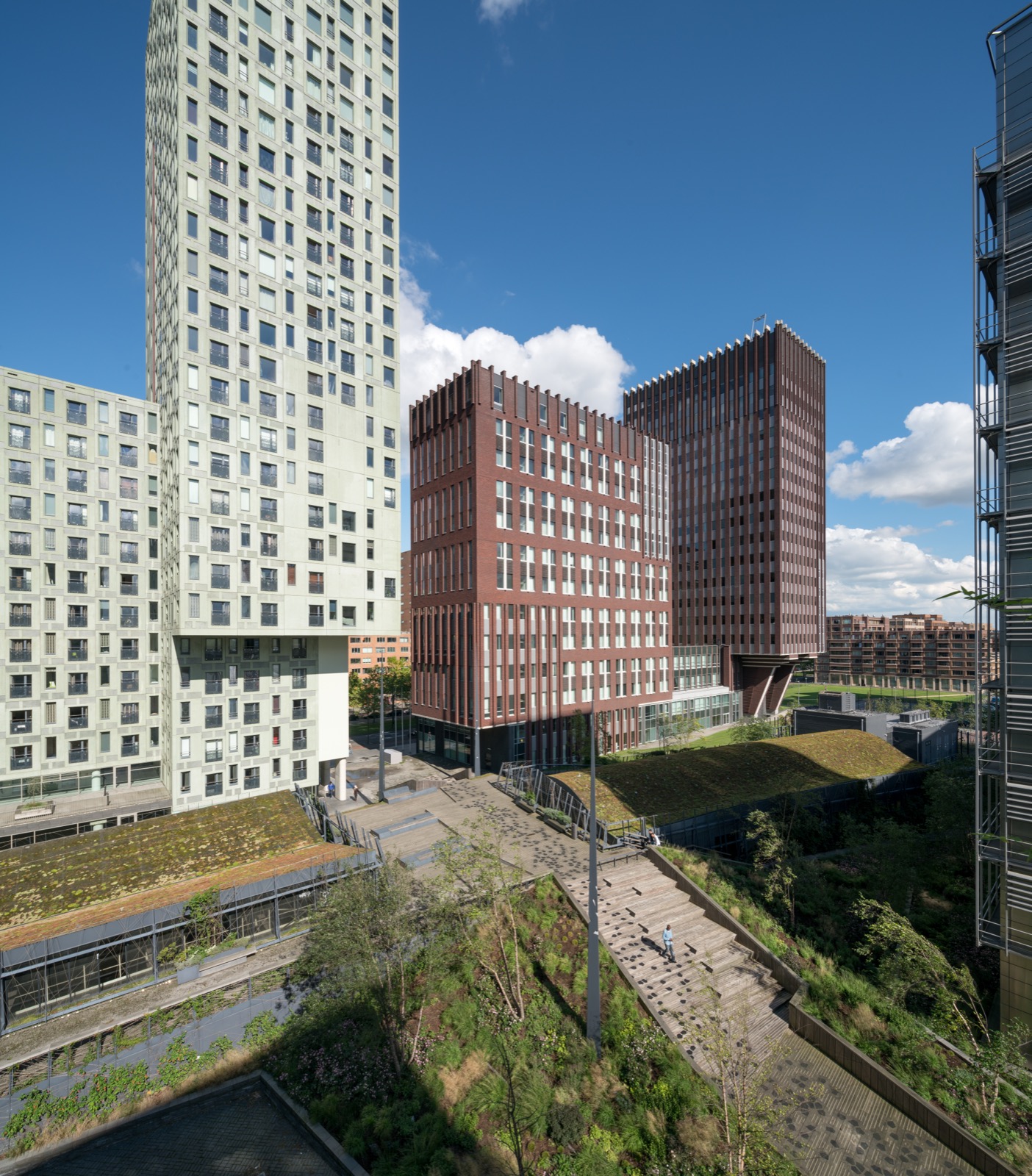
The Ichthushof is located at the point where the metro exits from the tunnel. The residual spaces between the tunnel and buildings were designed as one pedestrian area, with a sharp eye for detail. Special benches, lights and vegetation alongside and around the tracks turn it into an oasis between the busy traffic routes in Rotterdam South. The design is by Erick van Egeraat and the world-famous garden architect Piet Oudolf, whose landscaping always takes the changing seasons into account, with a combination of perennials and filler plants.
Back to map
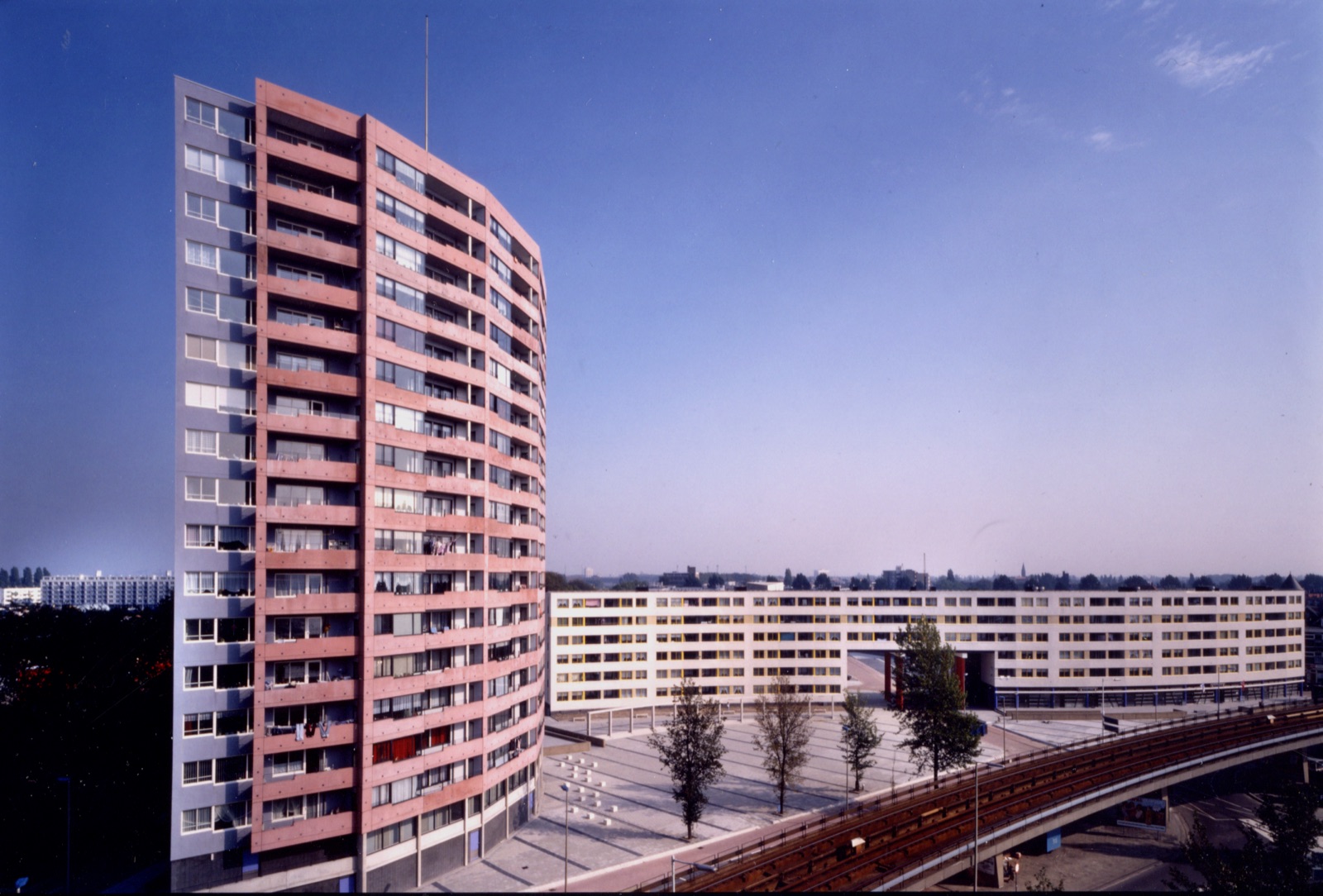
Afrikaanderwijk has for decades been the subject of new plans. Some of the 19th-century blocks were demolished in the 1980s. The new design by Mecanoo breaks with the structure of narrow streets in the original layout. The modernist project consists of various buildings, with a wide variety of social housing types surrounded by public spaces. A long, curved residential block with an opening through which freight trains can pass, and a fan-shaped tower with a striking artwork by John Körmeling that marks the year of completion: 1989.
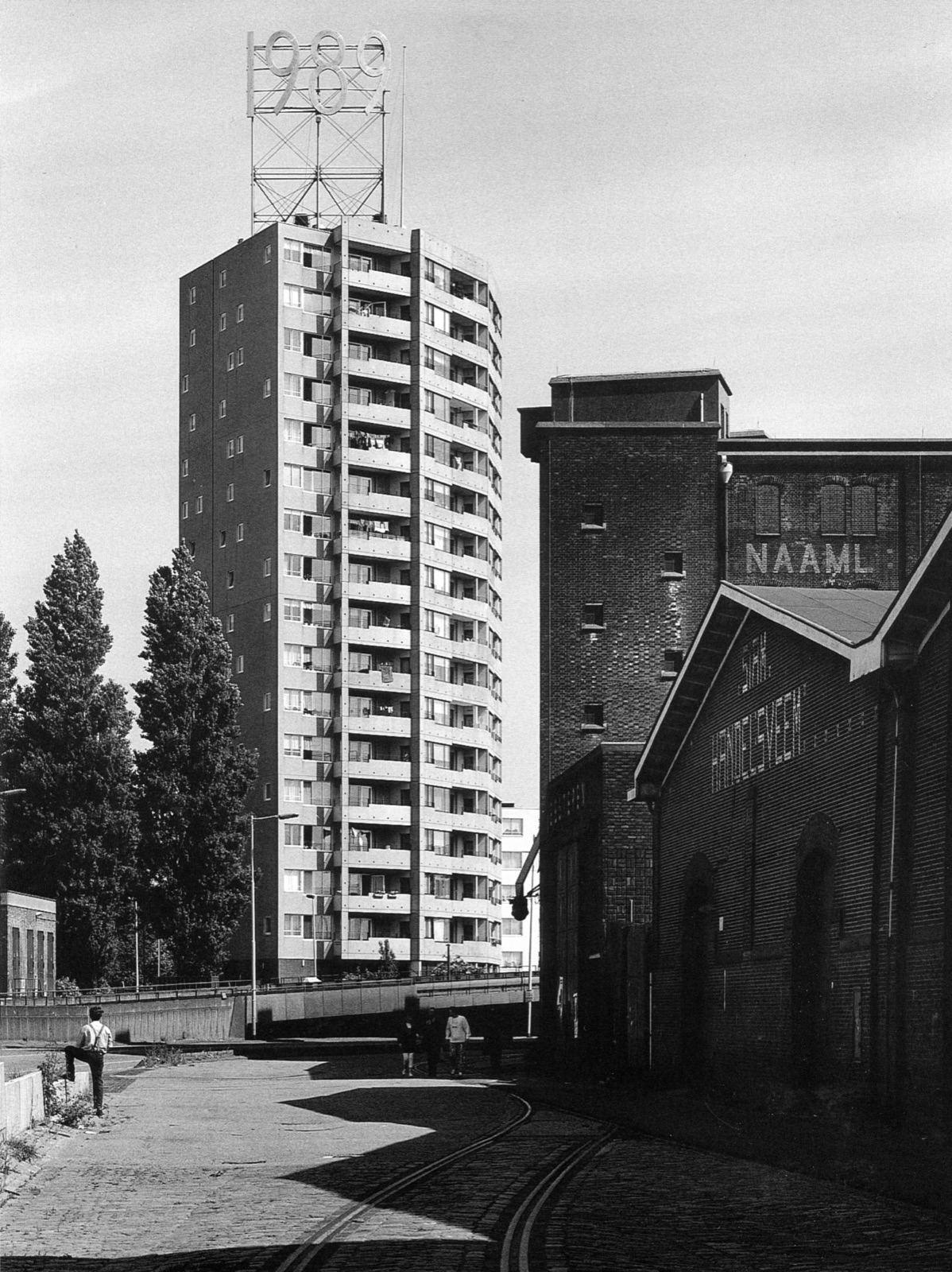
Afrikaanderwijk has for decades been the subject of new plans. Some of the 19th-century blocks were demolished in the 1980s. The new design by Mecanoo breaks with the structure of narrow streets in the original layout. The modernist project consists of various buildings, with a wide variety of social housing types surrounded by public spaces. A long, curved residential block with an opening through which freight trains can pass, and a fan-shaped tower with a striking artwork by John Körmeling that marks the year of completion: 1989.
Back to map
Over the years, Rotterdam South has repeatedly served as a landing point for new migrants. Initially they came from Brabant and Zeeland, then from Italy and Spain, and later they were even flown in from Morocco and Turkey, and more recently from Poland and Bulgaria. This is clearly reflected in the local amenities, shops and hospitality sector. After a while, the families are invariably (whether willingly or not) displaced from their initial place of residence in Zuid.
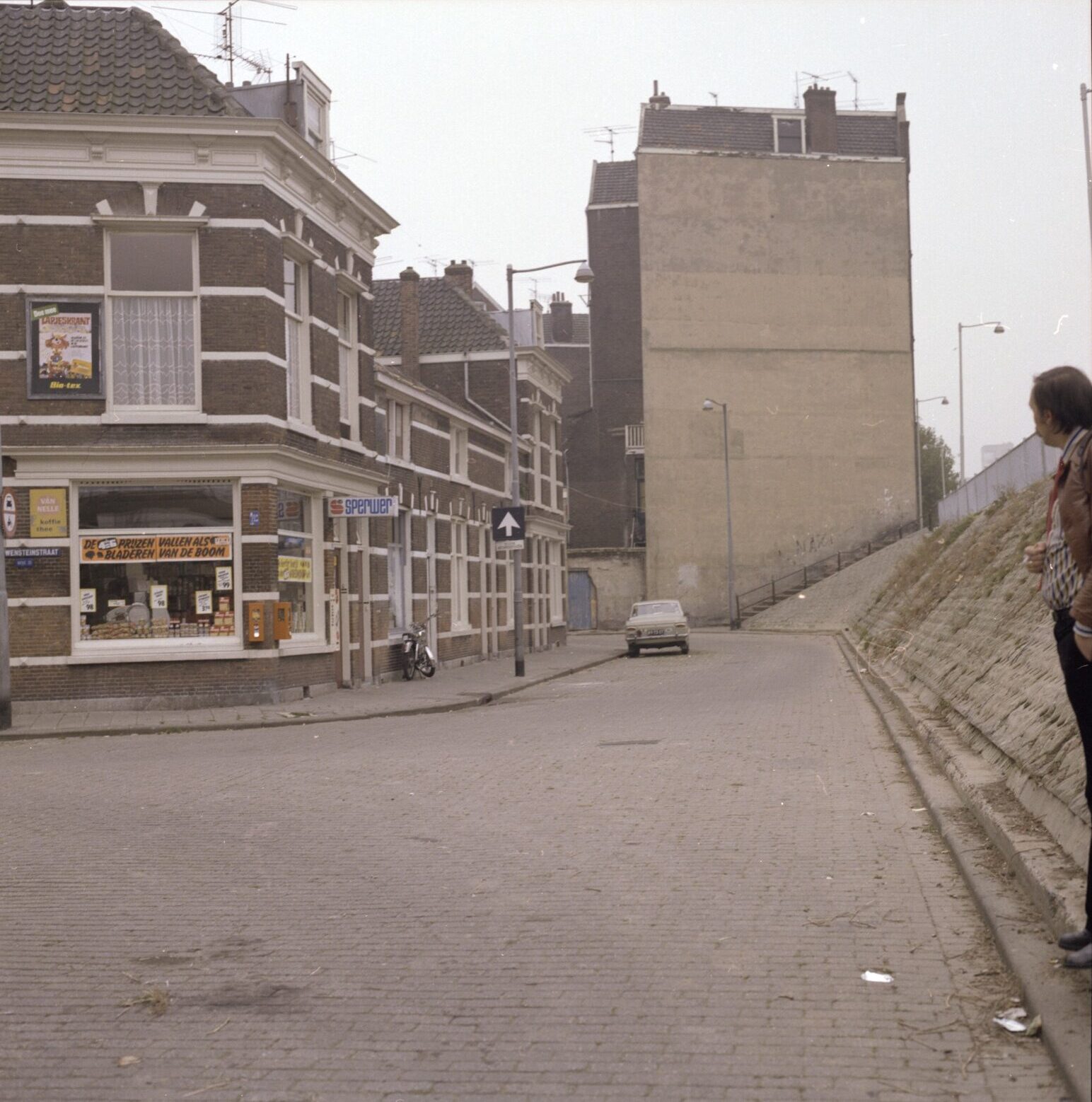
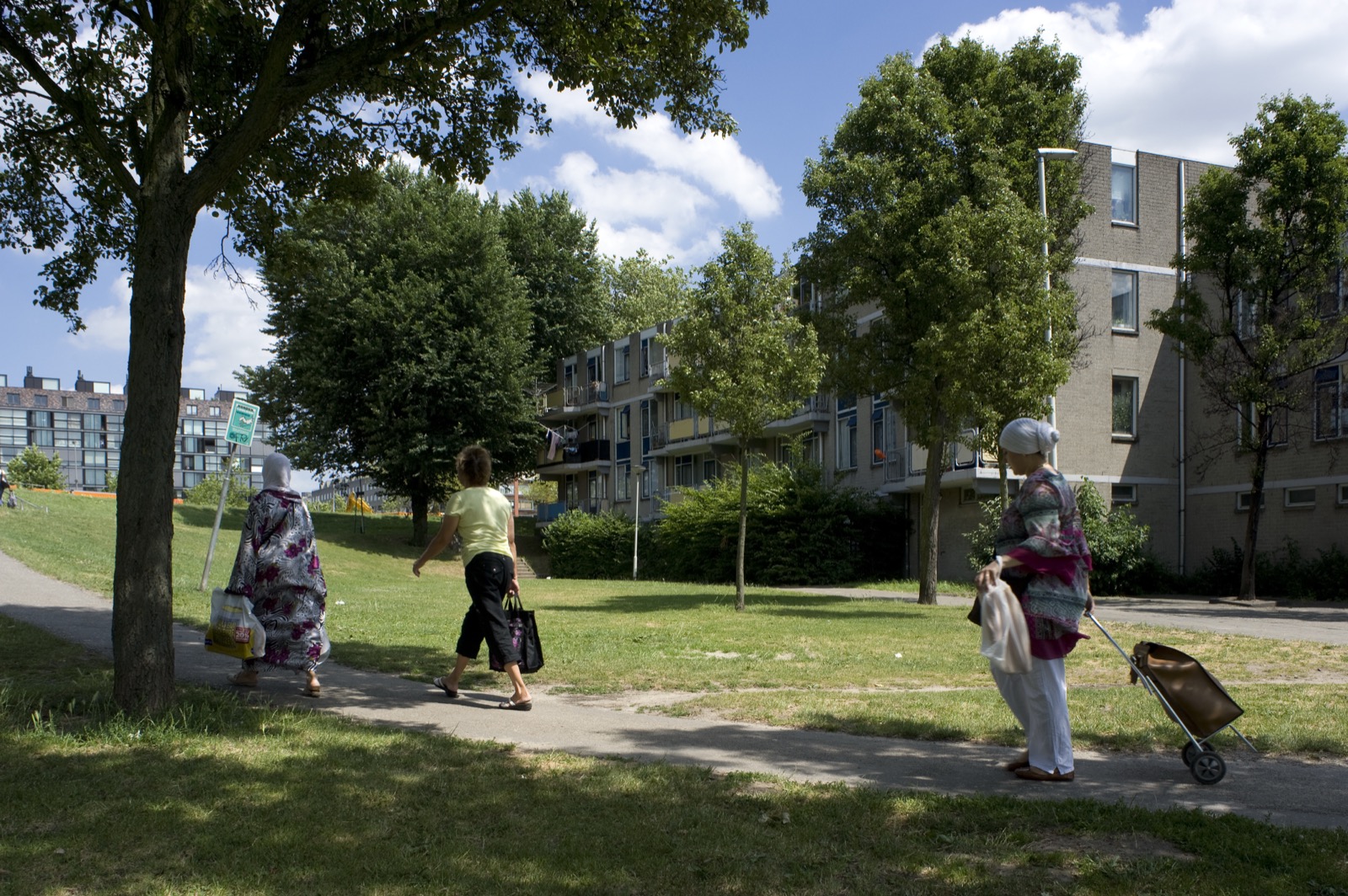
In recent years, policy has focused primarily on attracting a different kind of newcomer: expats, yuppies and affluent families. This is evident, for example, in the Parkstad project, where the sustainable and green housing development De Kuil is being built on the site of the demolished 1980s housing block De Leeuwenkuil (Lion’s den). This 232-unit residential development states on its website: ‘Rotterdam Zuid has changed. New, trendy neighbourhoods have emerged where it is pleasant to live and relax. Something for everyone’.
Back to map
The is an initiative by artist Jeanne van Heeswijk, internationally renowned for her social projects in working-class and disadvantaged neighbourhoods. It is an optimistic project driven by true go-getters. Starting from the question of how you can really make things happen for your neighbourhood, the team takes on some of the tasks that the local council and housing associations would normally handle. In this way, they are trying to ensure that the development of the neighbourhood is literally for and by the locals.
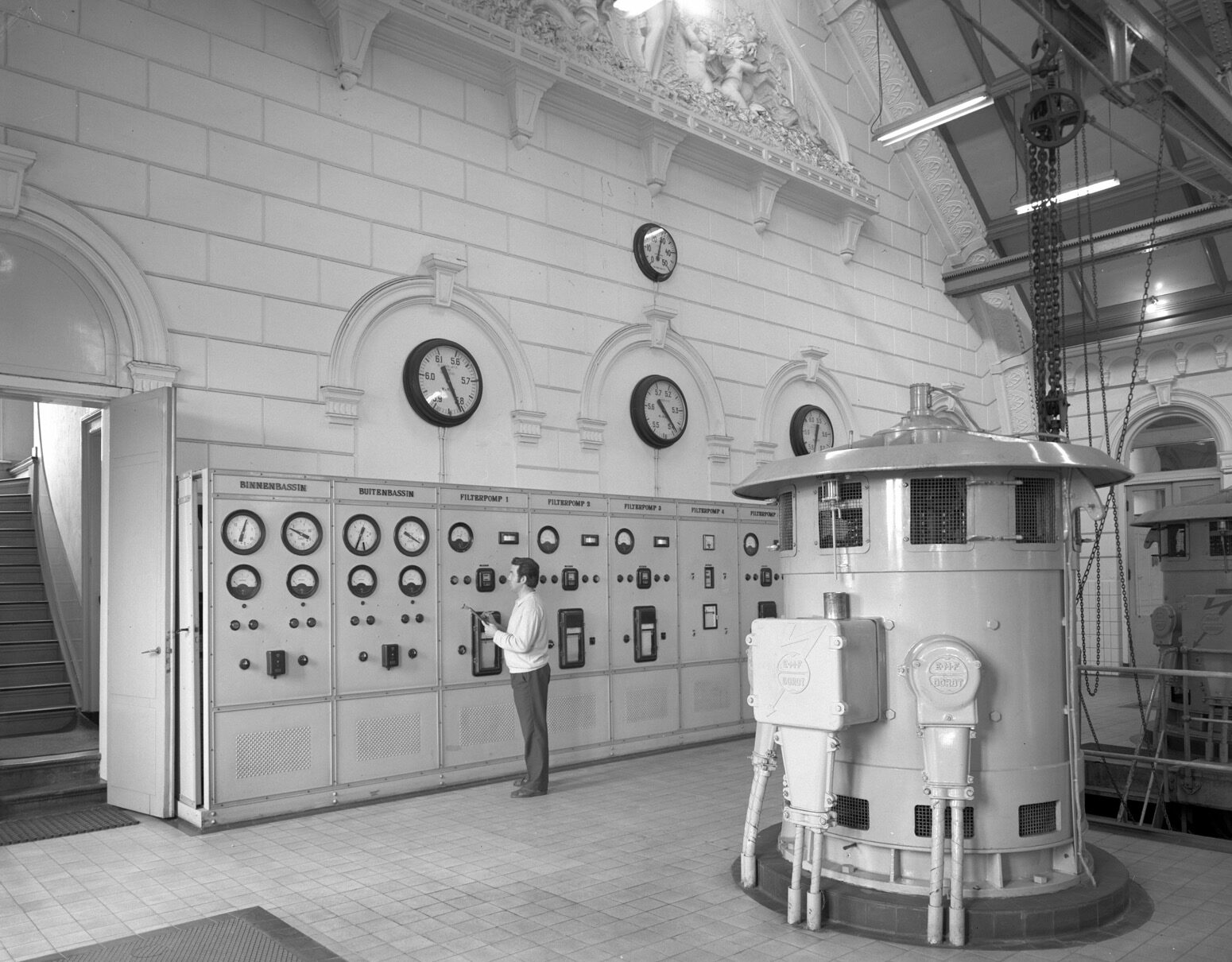
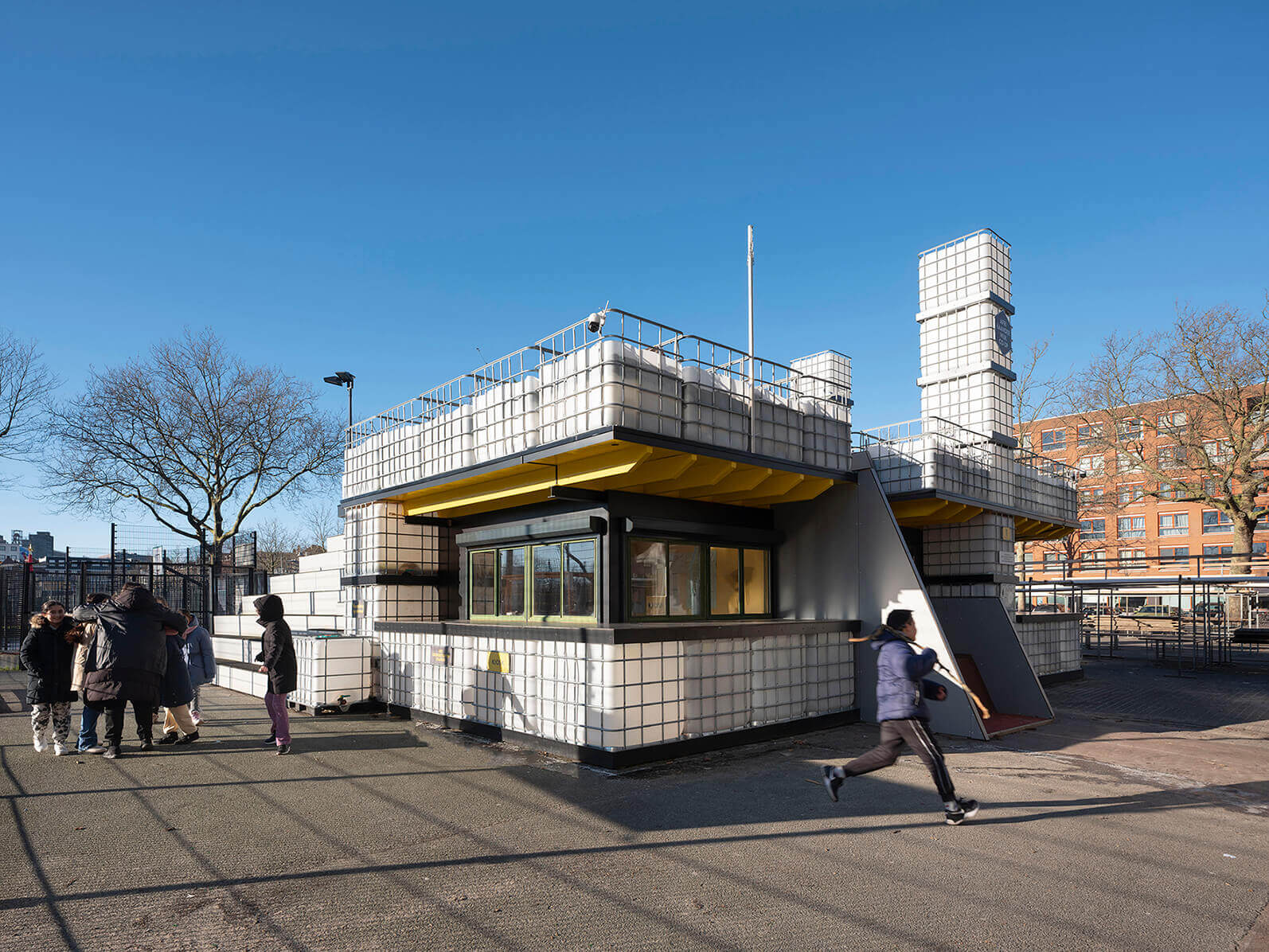
In 2014, the cooperative transformed the beautiful sewage pumping station (1899) into the new heart of their neighbourhood activities: Gemaal op Zuid. Opposite Meram restaurant, you find another striking project by the cooperative: the Grondstoffenstation, created in collaboration with Superuse Studios, built from recycled and sustainable materials. It is intended to solve the waste problem at the Afrikaandermarkt by recycling residual waste and preventing litter.
Back to map
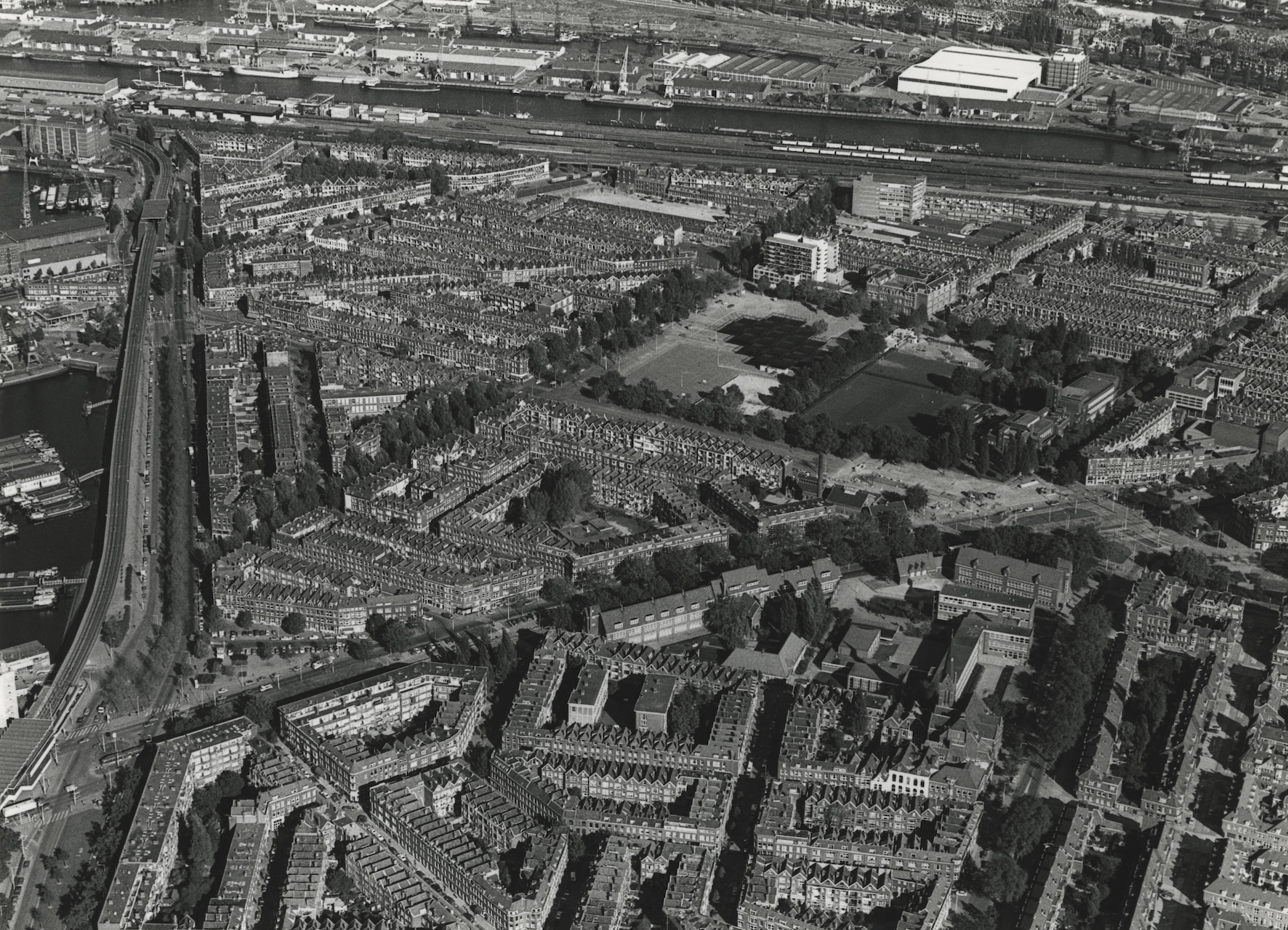
The 120-year-old Afrikaanderplein has had an eventful history. Between 1912 and 1917 it was home to Feyenoord football club. Vegetables were grown here during the war. After that, the park was used for all kinds of activities: music, circus and theatre events and even an open-air swimming pool. The playground from 1948 still exists. Located in the park are a tea house, a monument to the migrant worker and the wonderful botanical garden. Around the new park with its inclined paths are a market, a bird sanctuary and sports fields.
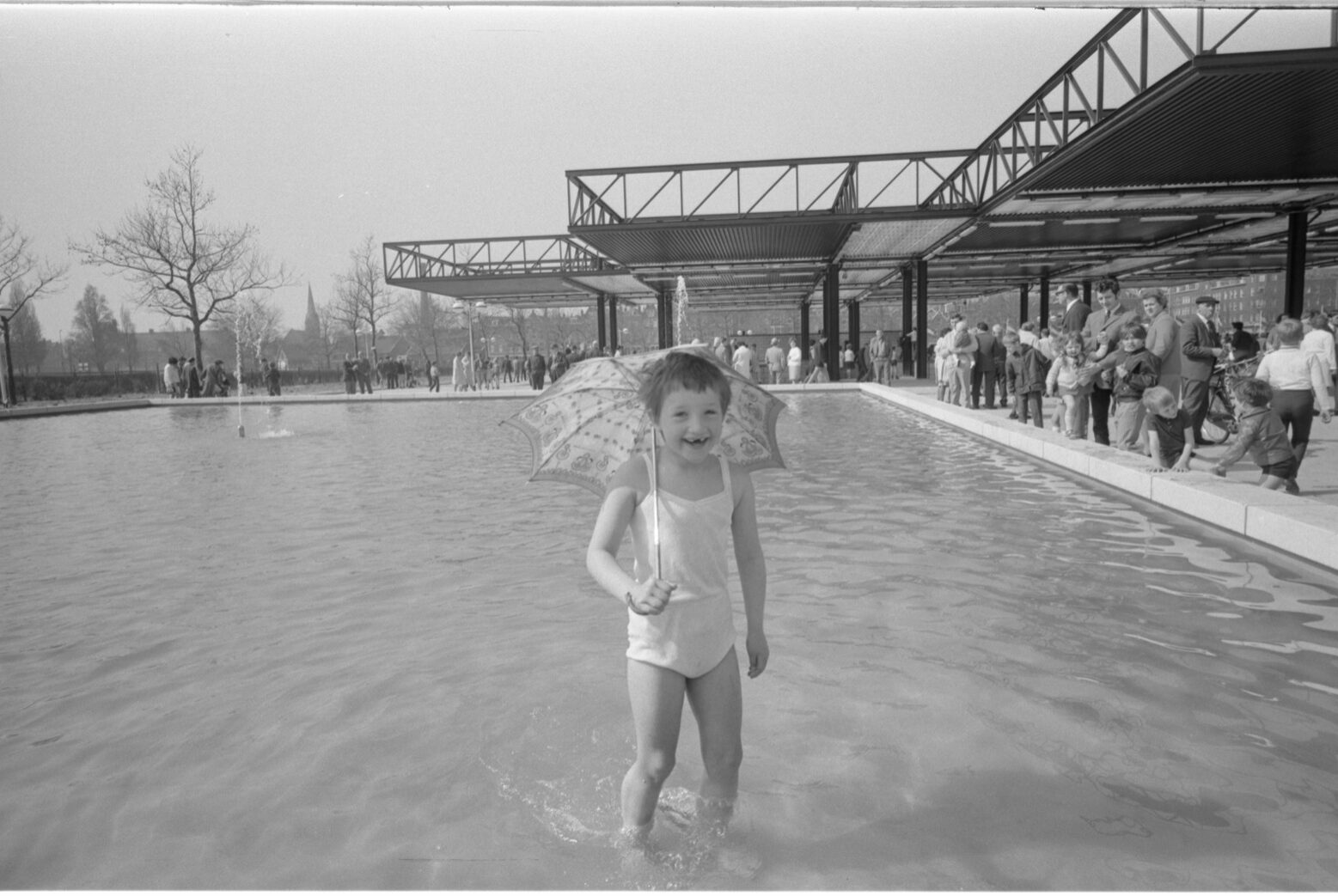
The most recent design dates from 2005 and was presented by Okra Architects under the motto ‘from fragmented space to space for use’. Ironically, the liveliness still mainly takes place outside the park area. Here you will find a busy playground, sports fields, the community centre ‘t Klooster, as well as cafés, shops and market.
Back to map
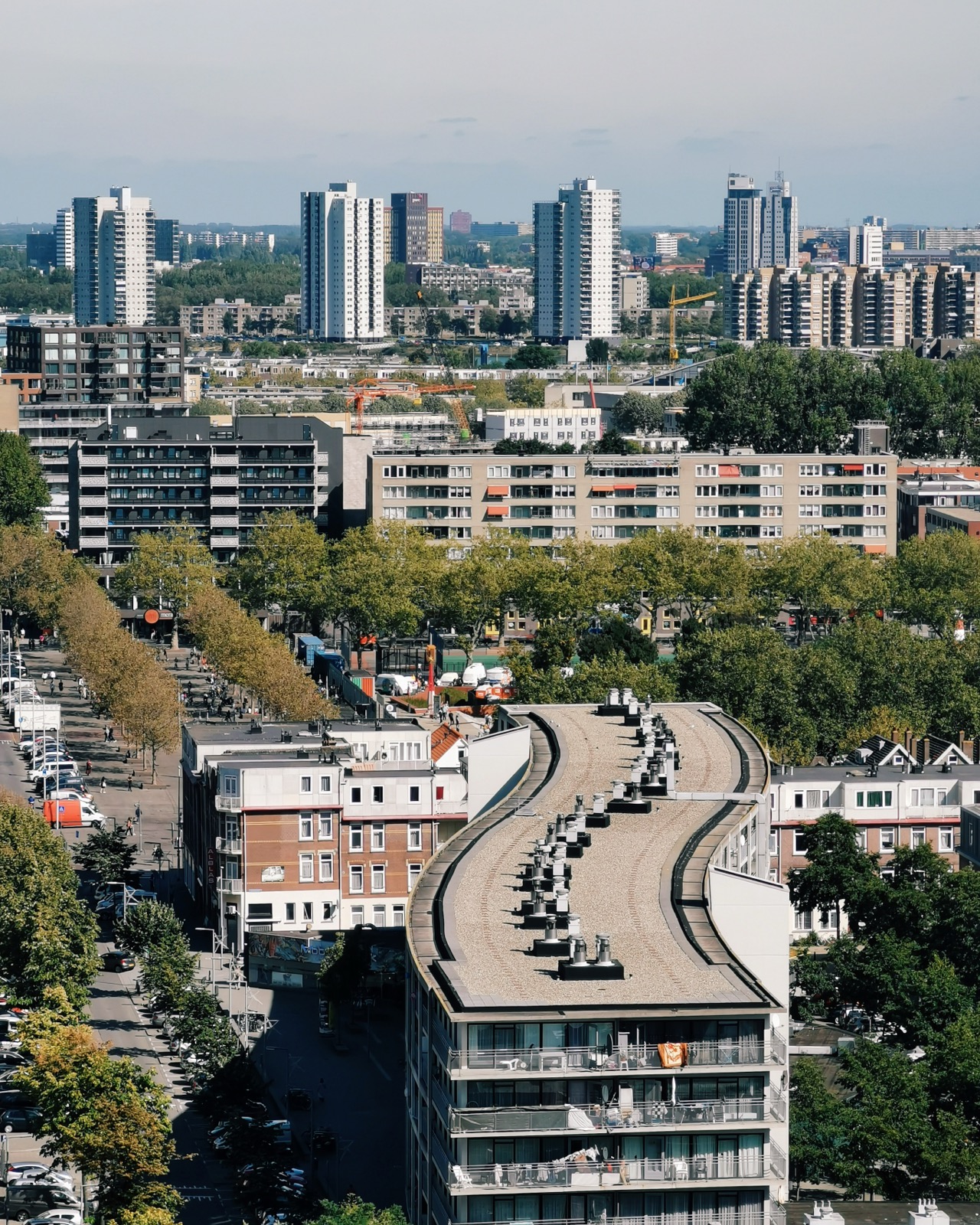
In the Paul Krugerstraat you will find the remarkable residential building Natal that architect Frits van Dongen completed in 1990. Where the other streets in the Afrikaanderwijk look narrow due to the straight building blocks, the curvy floor plan of the Natal actually yields a lot of spaciousness. Natal proves that social housing really doesn’t have to be uniform and uninviting.
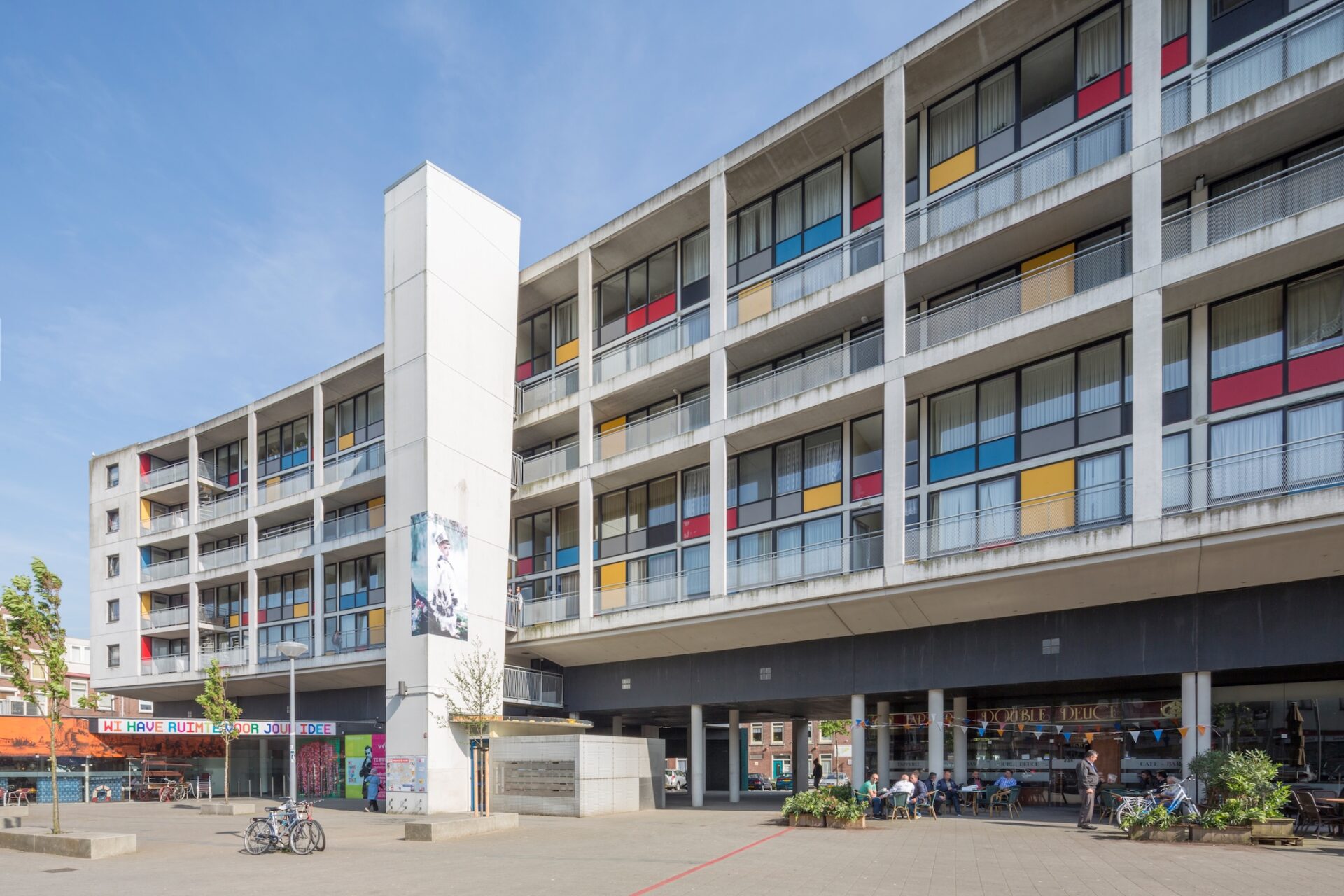
Take a moment to take a closer look, then you will suddenly see how thoughtfully each part of this social housing project is put together: two elegant elevator towers, shop blocks, a raised living floor with about six metres of free space underneath for a neighbourhood square.
Back to map
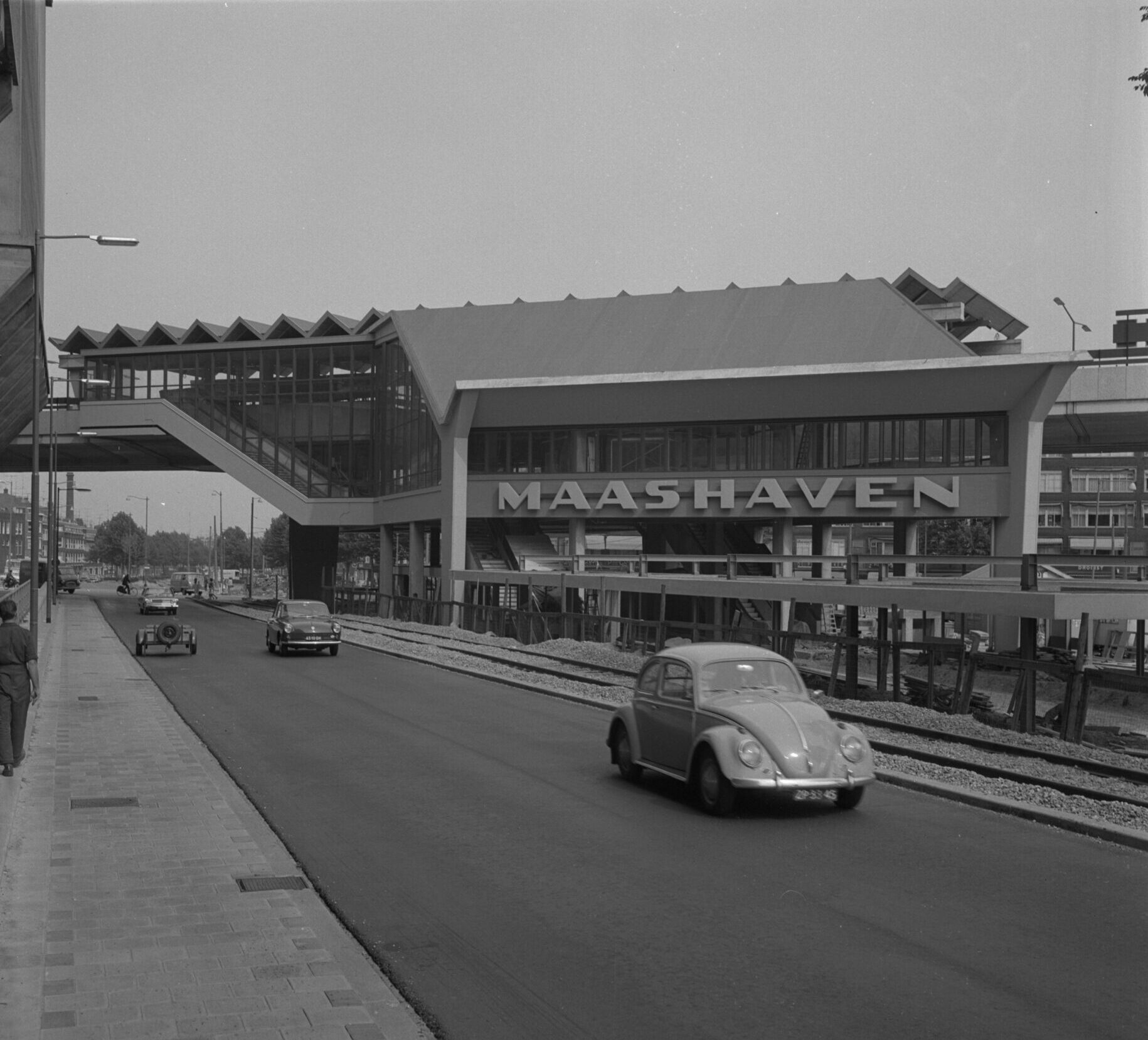
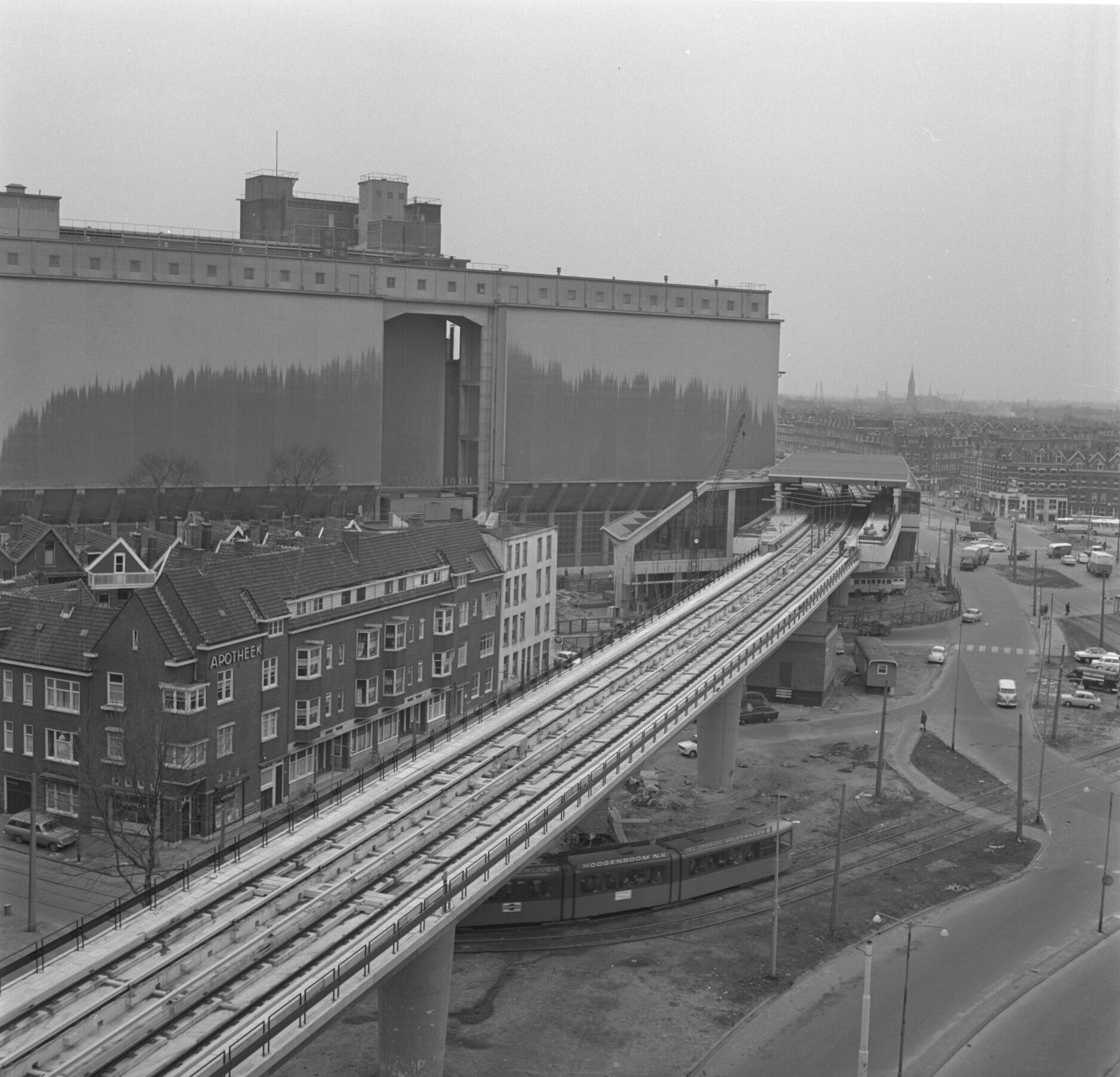
In 1968, Rotterdam became the first Dutch city with a metro network. But the stations in Rotterdam South were built above ground because that was cheaper. As a result, they offer fantastic views of the city and the docks. The sturdy structures, with large windows and saw-tooth roofs, seem to float above the streets. The location of Maashaven Station, right beside the Maassilo and at the intersection of various neighbourhoods, makes it one of the finest stations in Rotterdam.
Back to map
This route was made for the Architecture Festival ZigZagCity, 2023
Nina Swaep