
Ontwerp OMA, Collectie Nieuwe Instituut
Depot, foto: Ossip van Duivenbode
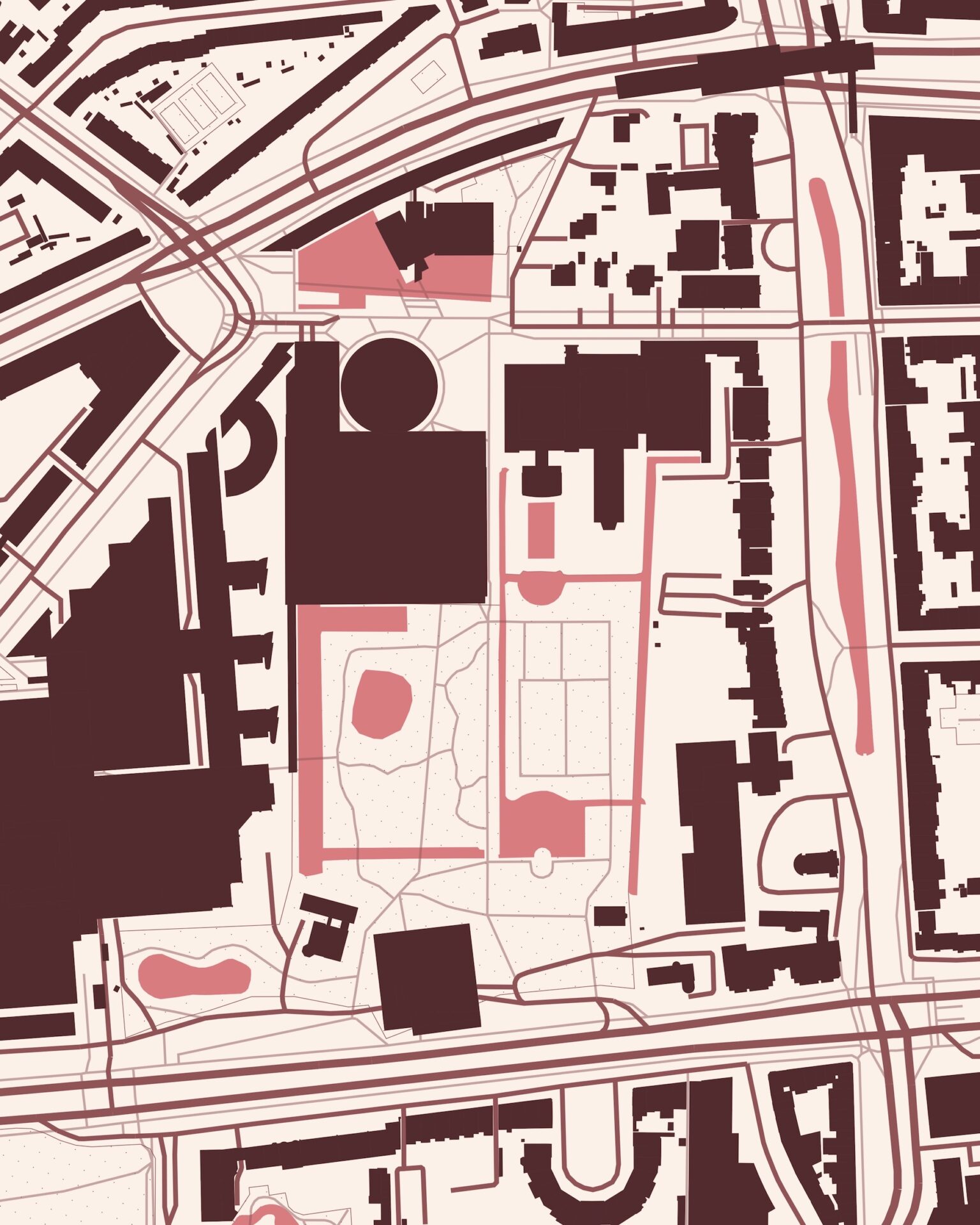
Over the years, the Museumpark has developed into Rotterdam’s cultural hotspot, with a variety of museums housed in remarkable architecture. This walk takes you past these cultural institutions in the Museumpark and focuses on the design of this unique collection of buildings.
1
2
3
4
5
6
7
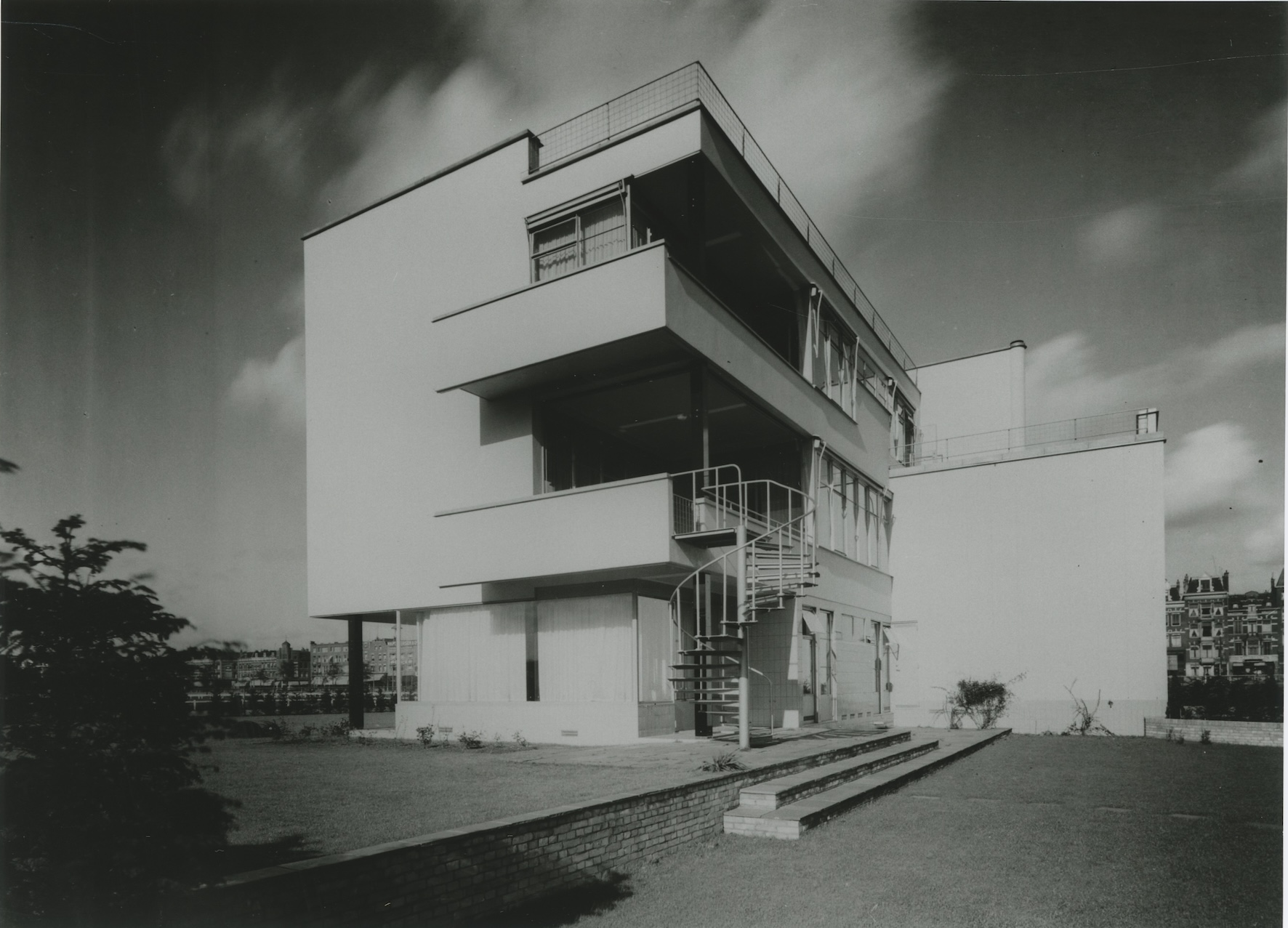
This modern white villa, a design by Brinkman and Van der Vlugt, was built in 1933 for one of the Van Nelle directors. The house interior can be characterized in three words: hygiene, comfort and luxury. It is furnished with chrome-plated tubular-steel furniture, linoleum and state-of-the-art sanitary facilities. And very modern devices for the time: a house telephone, radios and electric clocks. Besides the large windows to let in the sunlight, there is plenty of outdoor space: balconies, a roof terrace, a veranda and a generous garden.
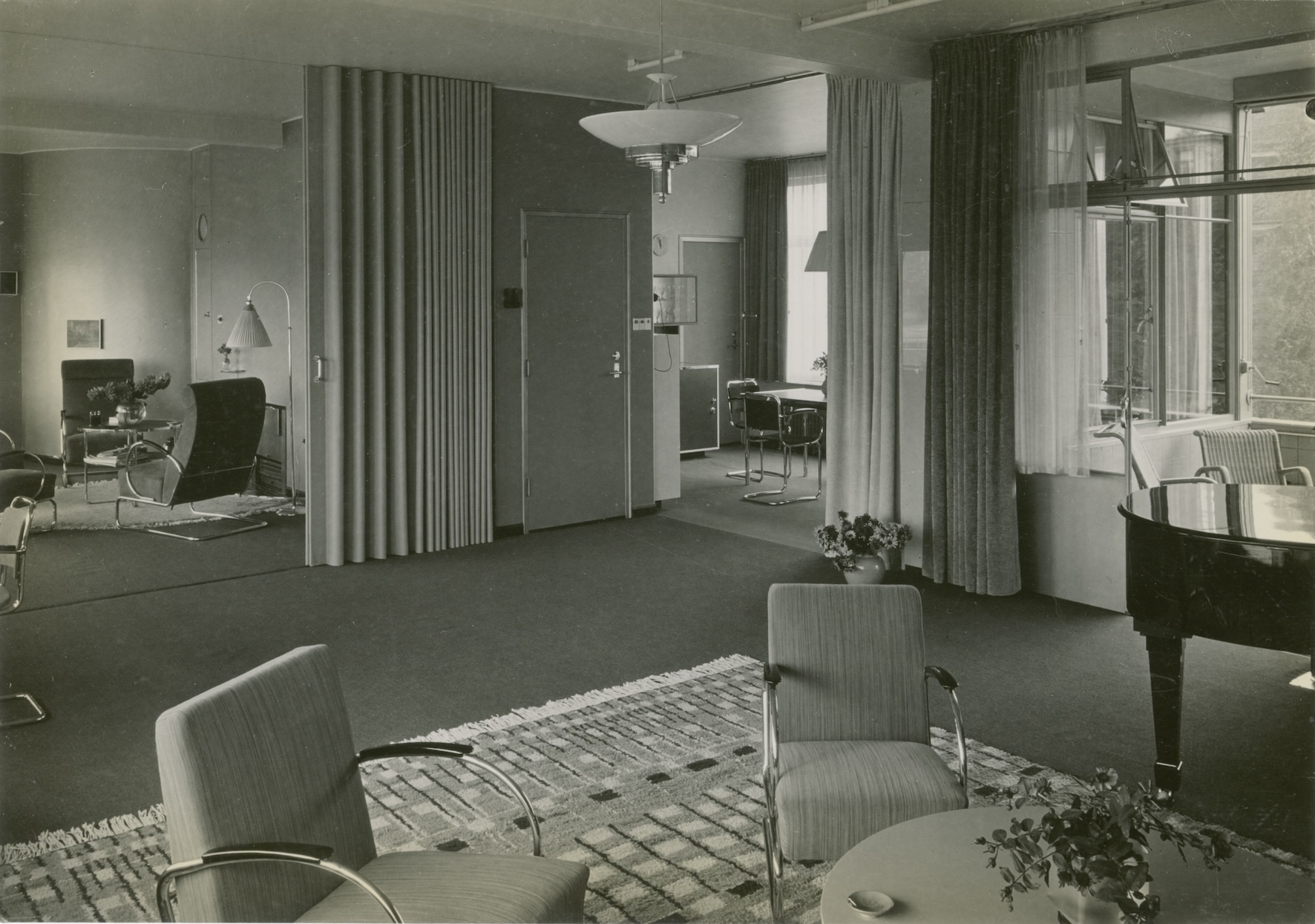
Bertus Sonneveld often visited the United States because of the tobacco trade. He had a preference for American cars and technical gadgets. The garage housed both his Plymouth de luxe and the Packard convertible belonging to Gésine Sonneveld, the first Rotterdam woman to own a car.
Since 2001, the house has been open to the public after careful restoration and redesign.
Terug naar kaart
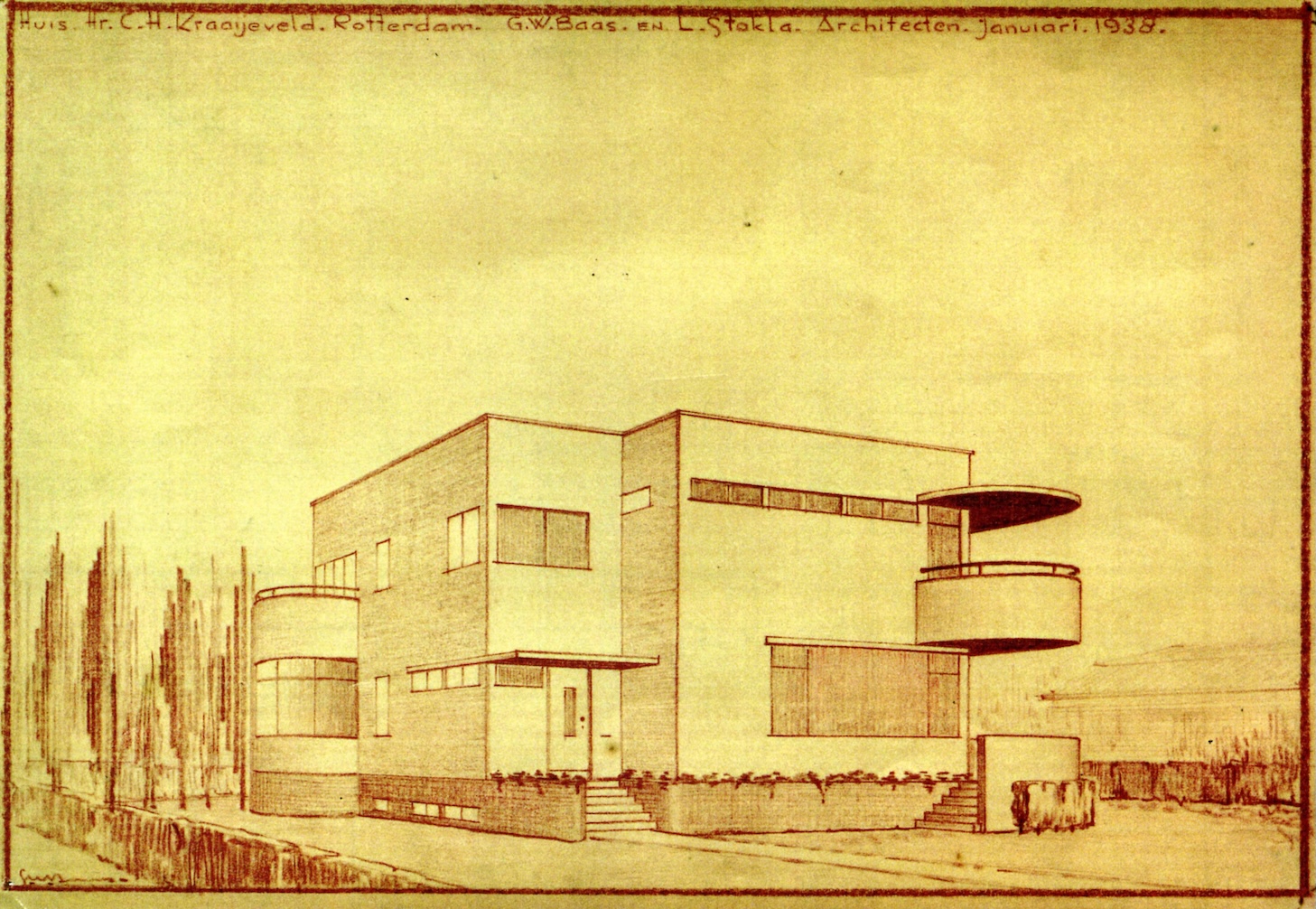
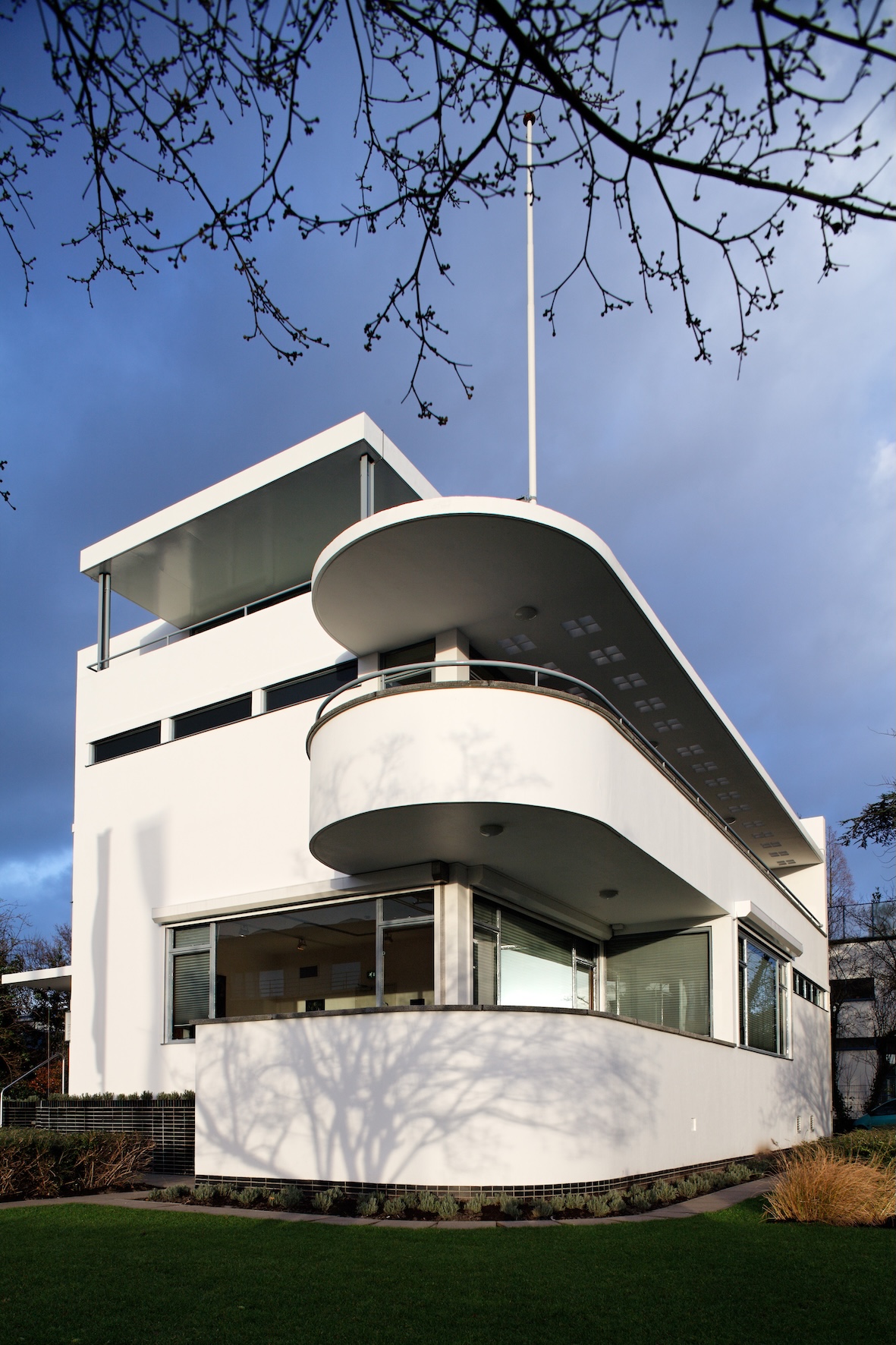
This white villa, originally a private house, was designed by G.W. Baas, who worked with Brinkman & Van der Vlugt. Though obviously indebted to the two neighbouring villas by Van der Vlugt this one has more grace, as is evidenced by the rounded balcony and canopy and by the free composition enabled by using a concrete frame. In 1993 the house was recast as a museum for the work of the local Expressionist painter and sculptor Hendrik Chabot. The museum is now a place for exhibitions about Expressionism.
Terug naar kaart
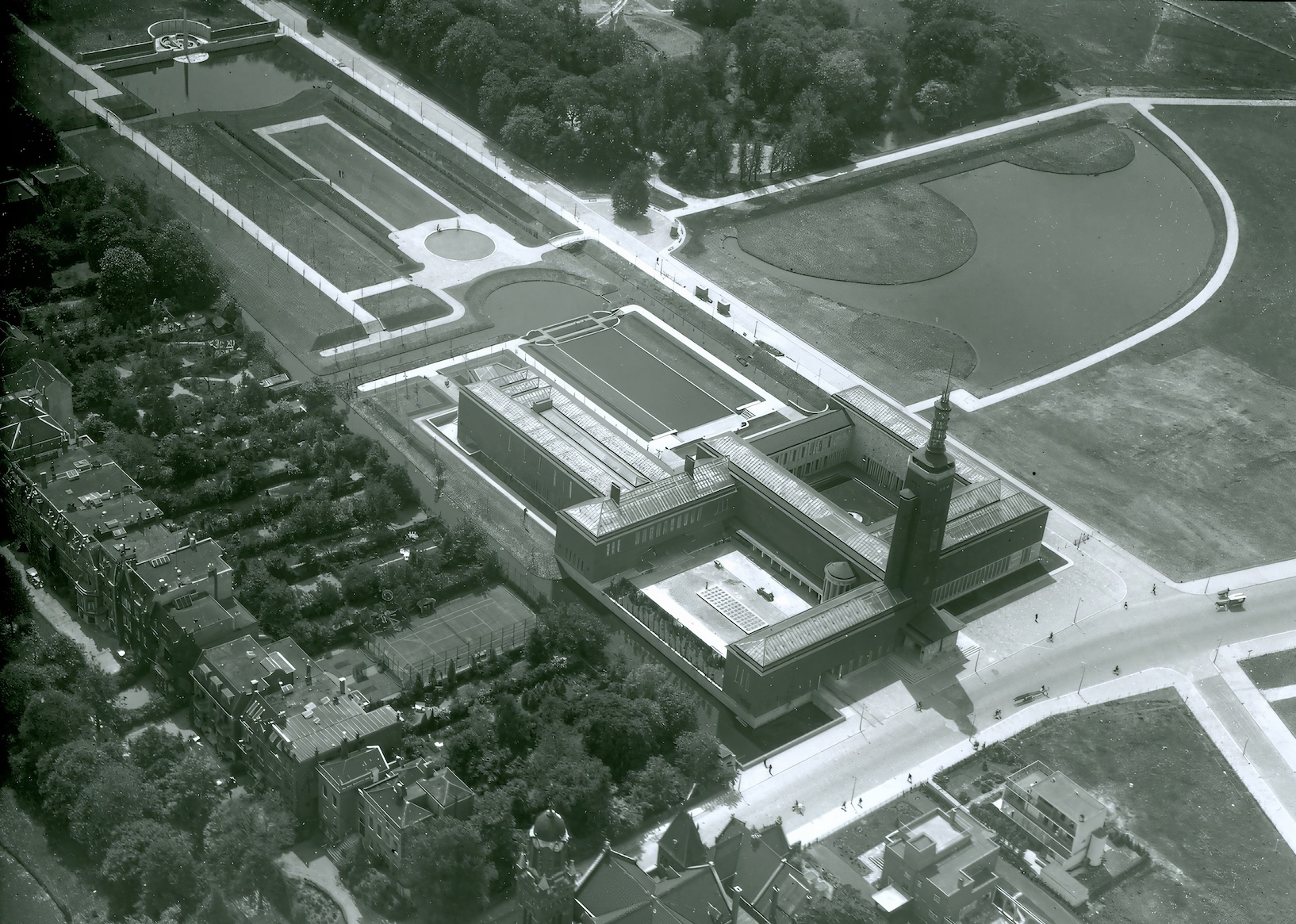
In 1928, city architect Ad van der Steur began designing. Seven years later, the new building was opened, on 6 July 1935. The design consisted of alternating galleries and cabinets – small collection rooms – around an inner and outer courtyard. Considerable attention was paid to the indirect lighting of the artworks. Van der Steur also designed the museum garden and the concluding monument to G.J. de Jongh. The museum contains paintings and sculptures, prints and drawings, contemporary and decorative arts.
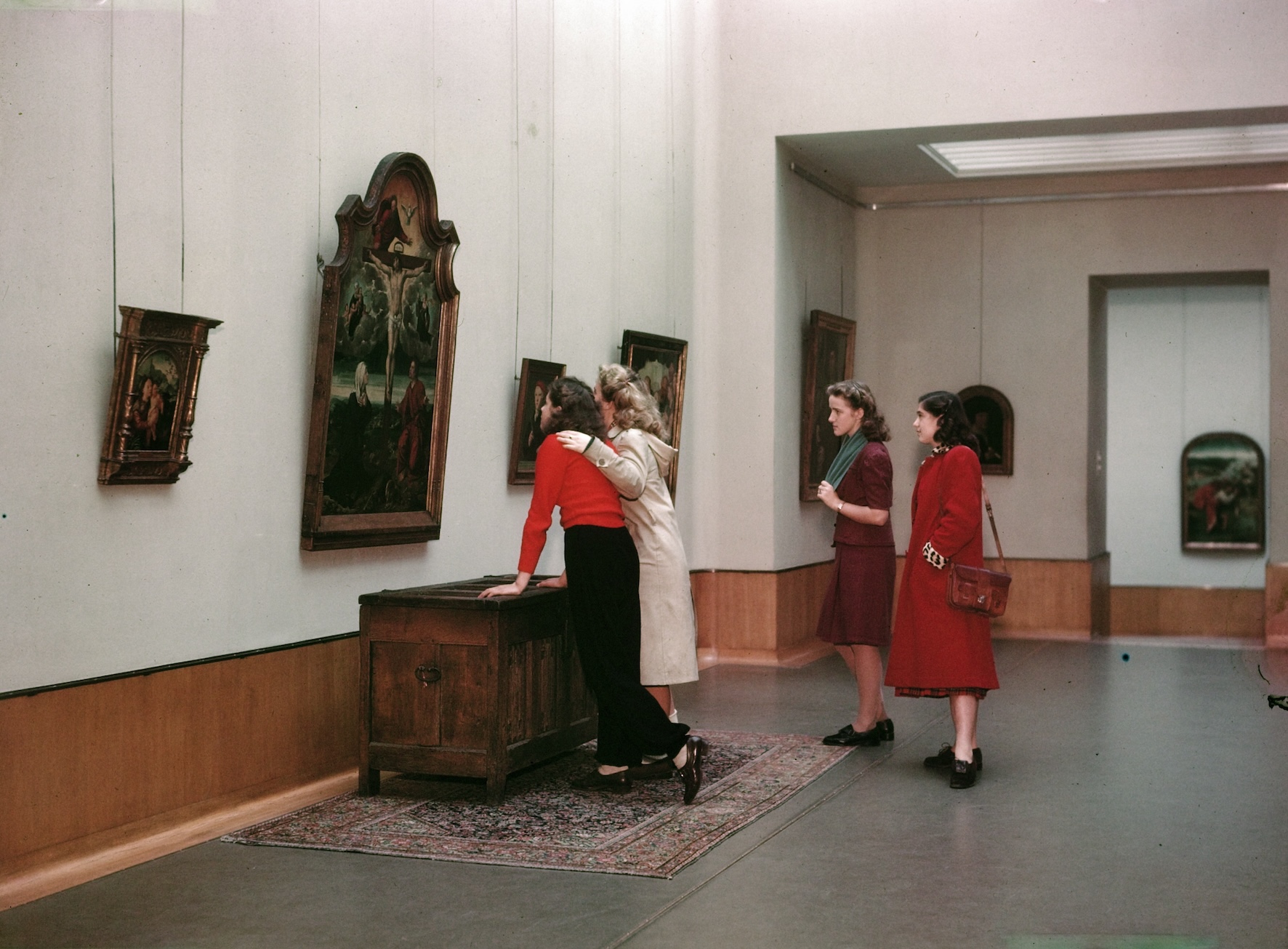
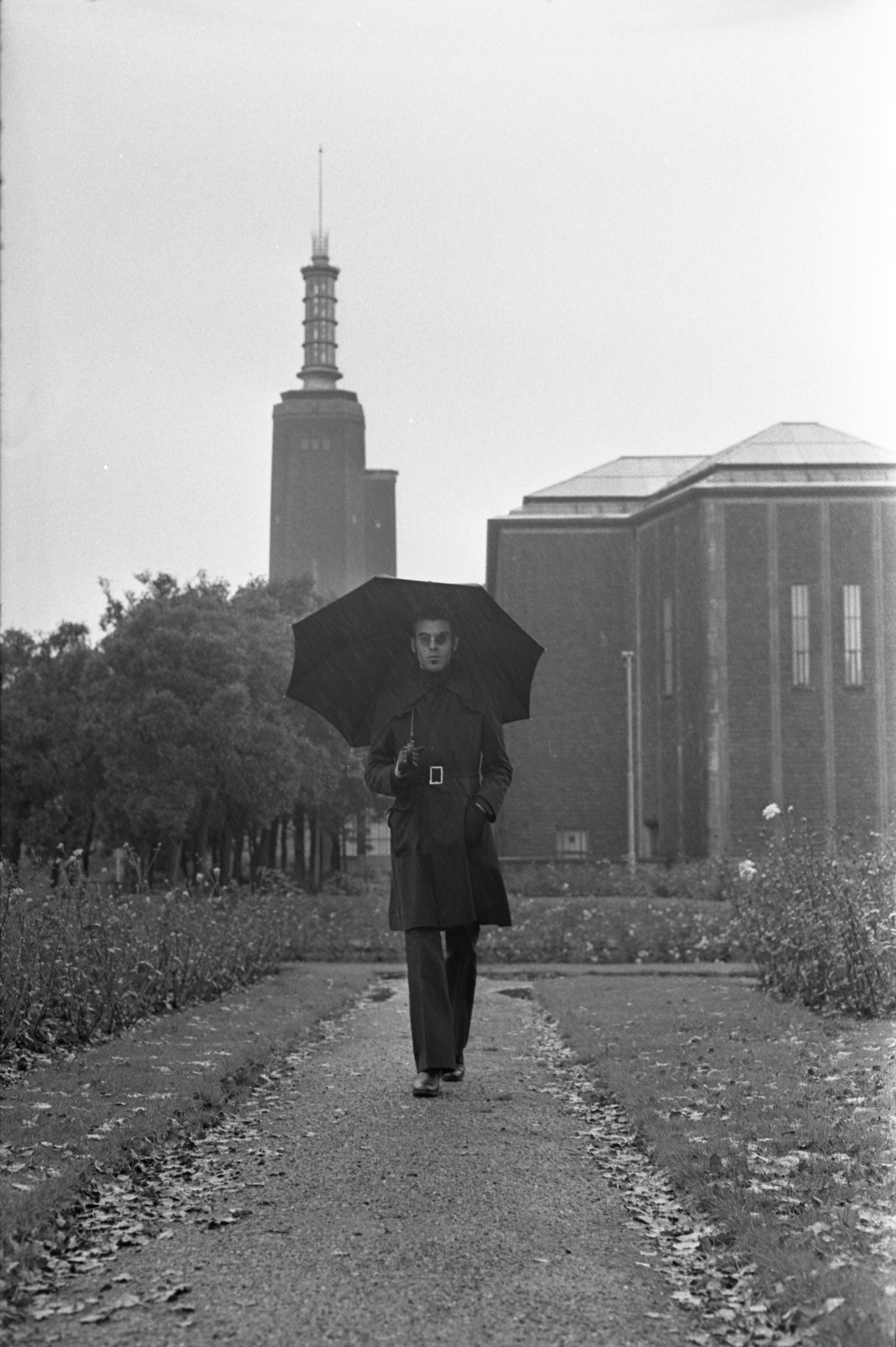
Each new director put his own stamp on the acquisition policy. And a new director often meant a new extension. In 1972, 1991 and 2003, the museum building was extended with respectively a new exhibition wing by architect Alexander Bodon, a pavilion by Hubert-Jan Henket and new build by Robbrecht and Daem Architects. That last extension will be demolished in the new plans. In 2019, the museum closed its doors. Mecanoo’s design has been approved, and the reopening is now scheduled for 2030.
Terug naar kaart
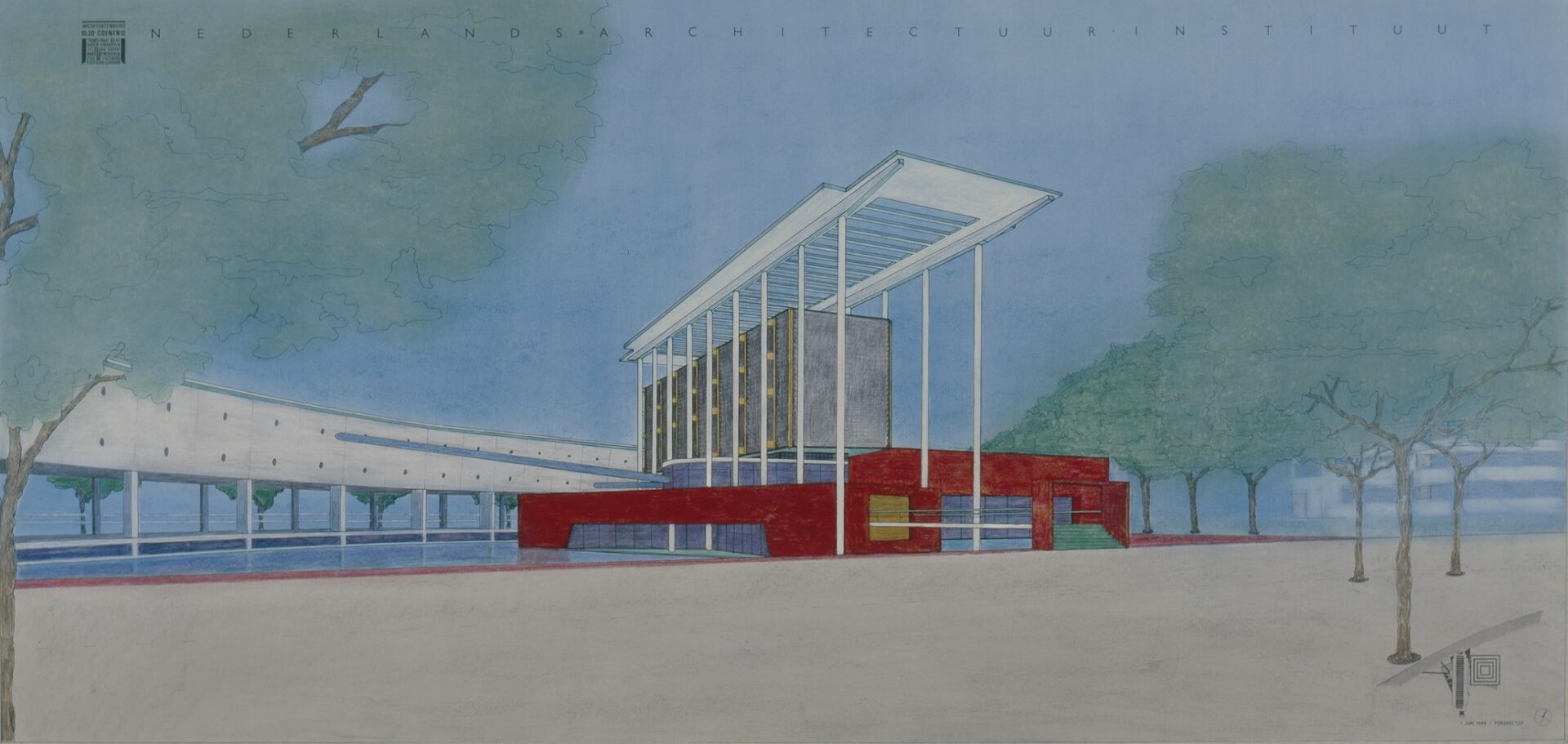
Nieuwe Instituut is the national museum for architecture, design and digital culture. On the site where the Nieuwe Instituut is now located, there have been temporary infills for years: makeshift shops, a car park and, in the early 1980s, residential containers. After a two-way contest with Amsterdam, Rotterdam was designated the location for the Netherlands Architecture Institute in 1987. Six architects created a design for this site.
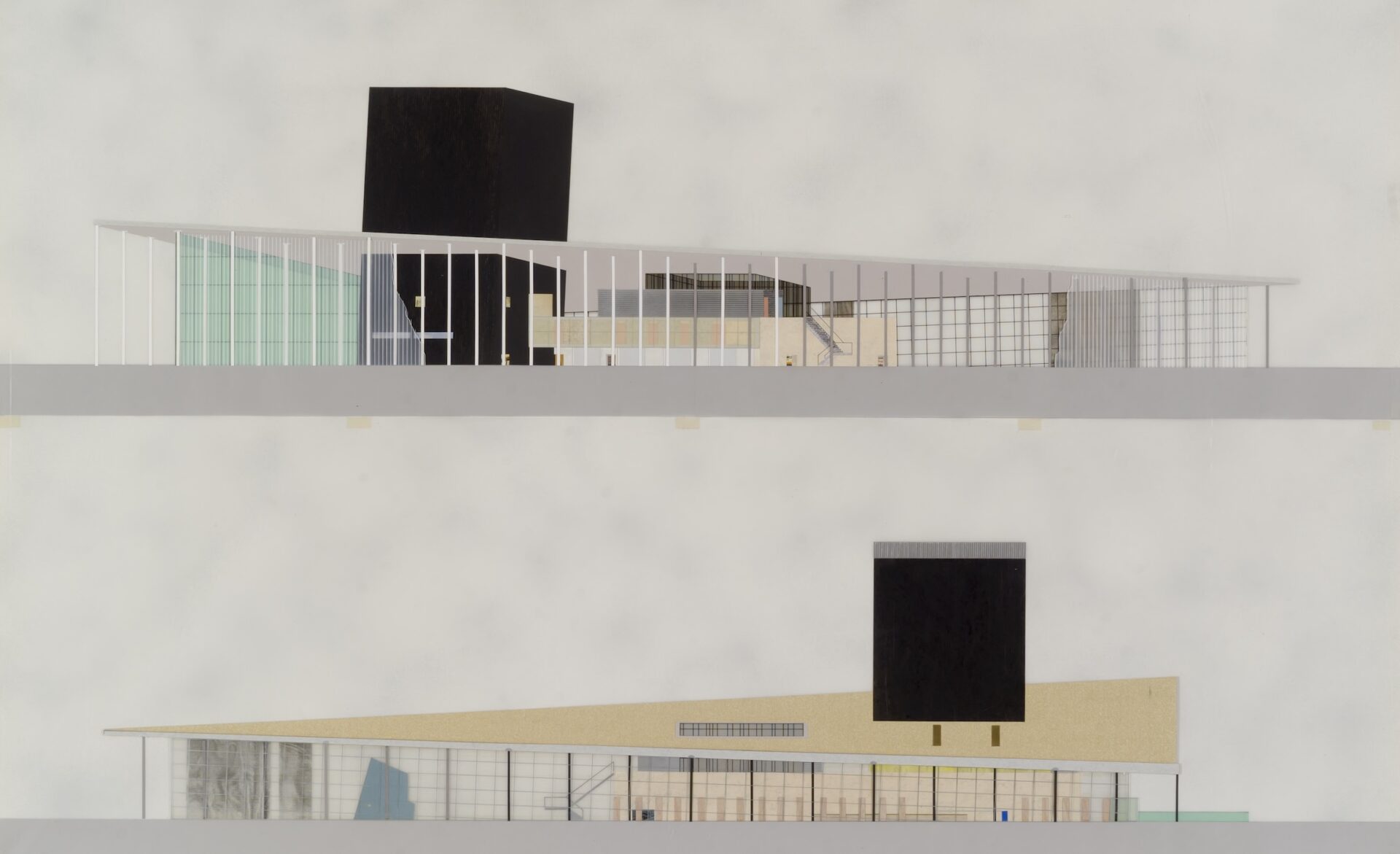
It was not the dyed-in-the-wool winner Rem Koolhaas (OMA) who was given the commission, but Jo Coenen. The building opened in 1993. It was a kind of modern castle that could be reached via a bridge. The layout is clear with a square exhibition building, a glass office tower and an elongated archives section on stilts. By now, the bridge has disappeared and the public space has been completely renovated with promenades and the New Garden, which focuses on increasing biodiversity.
Terug naar kaart
A museum can only exhibit a small part of its collection. The vast majority of the artworks are in storage. Previously in the basement at Museum Boijmans van Beuningen, which proved prone to leaks, and partly in a depot on an industrial estate. The Depot provides secure, air conditioned storage for the more than 154,000 artworks, ranging from old masters to contemporary design.
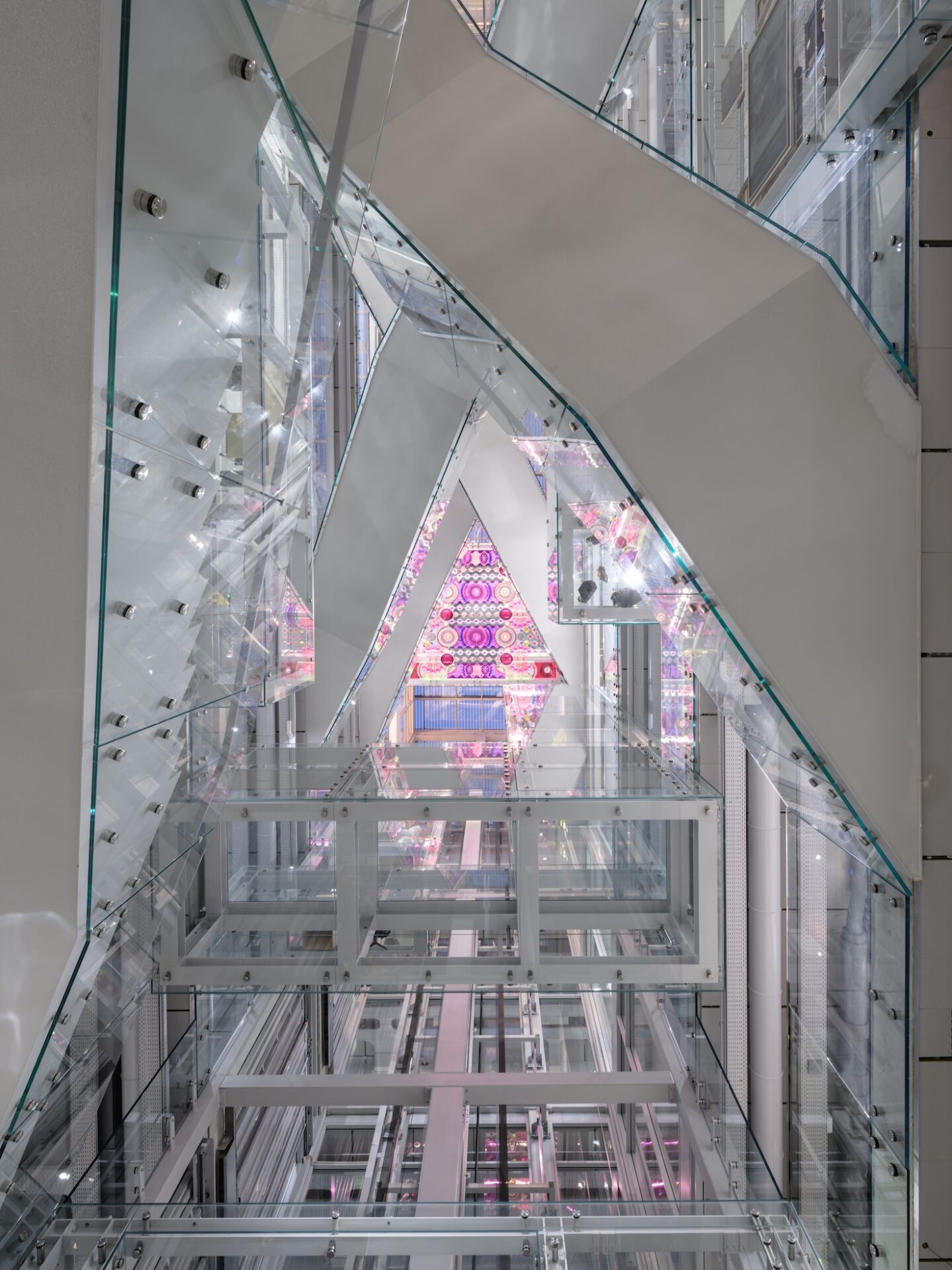
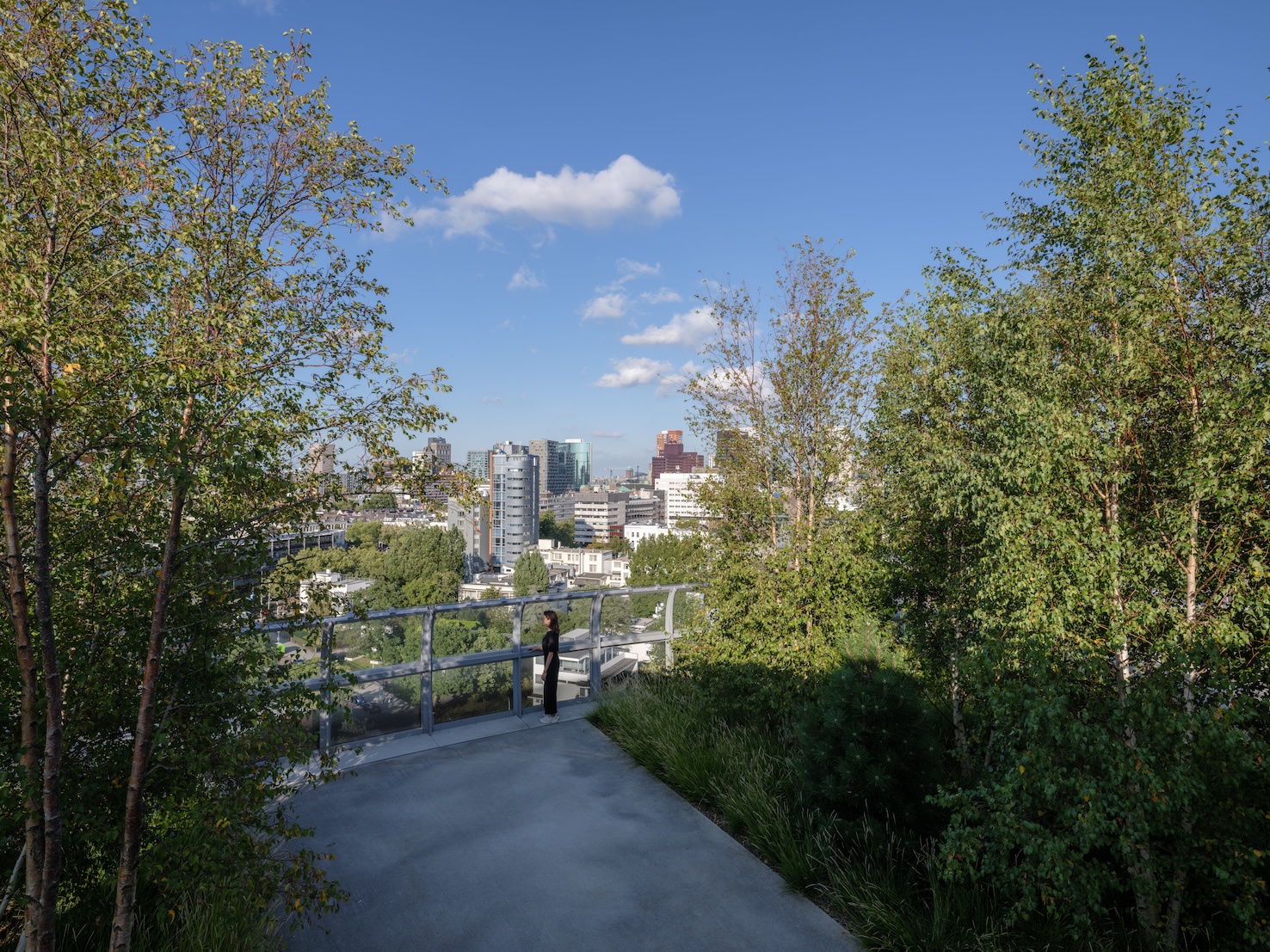
Art can be viewed from the dizzying staircase, and with a guide, the depot spaces as well. There is also a place where visitors can follow the restoration. Above all, it is a spectacular mirrored building by MVRDV, a crowd magnet where everyone can take the perfect selfie. On the roof there is a garden, where you can enjoy the views of the city among birch and pine trees.
Terug naar kaart
Since 1987, the Natural History Museum has been housed in Villa Dijkzigt (1852), the home of the Van Hoboken shipowner family until 1922. An extension soon followed: a glass pavilion designed by Erick van Egeraat, then active at Mecanoo. It is a kind of large showcase, connected to the villa by ramps.
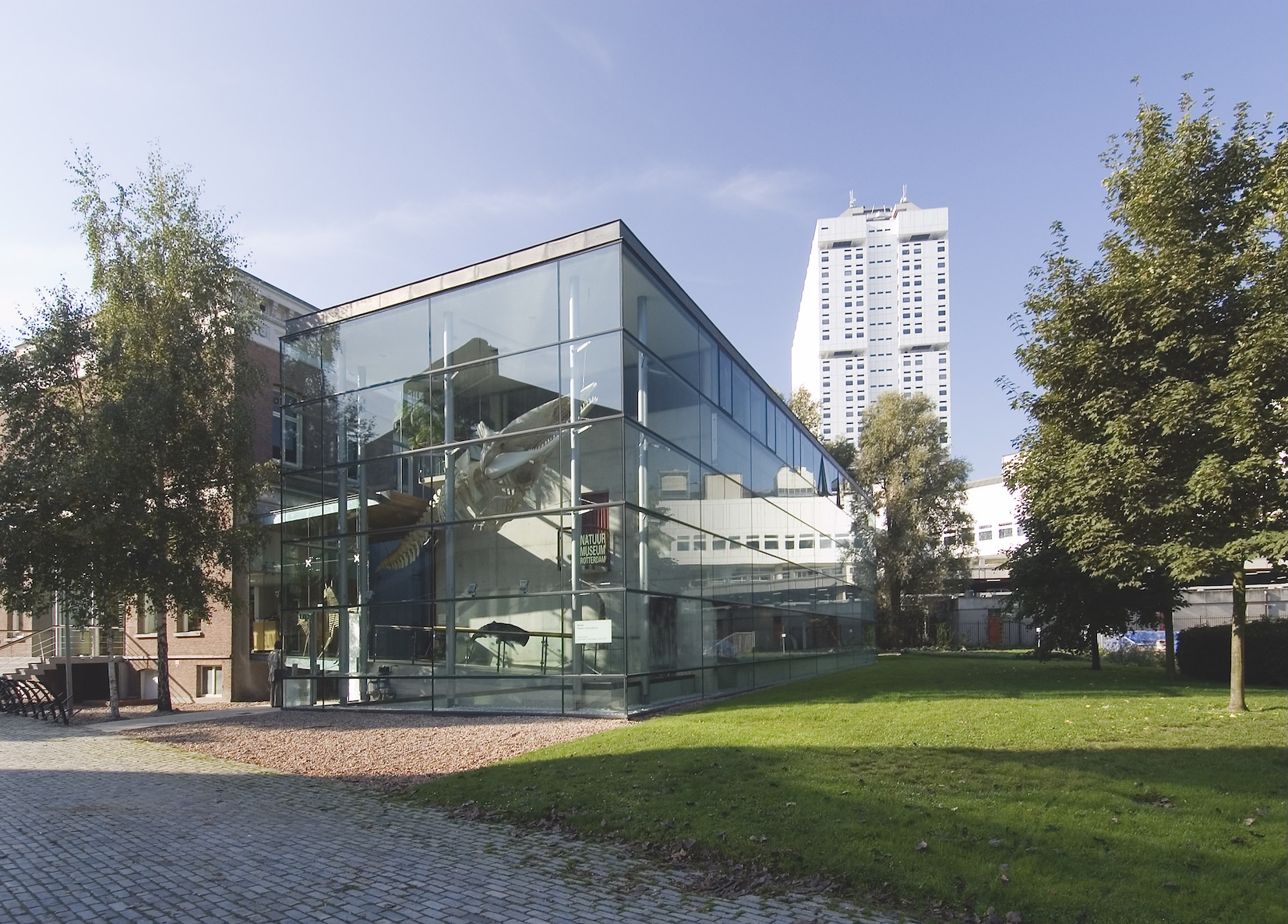
The museum has an exciting collection of fossils, skeletons and stuffed animals. Famous are the Dominomus (domino sparrow), shot dead for knocking over 23,000 tiles during Domino Day, and the Necro duck, the first recorded case of homosexual necrophilia in the mallard duck. This one crashed to its death against the museum façade.
Terug naar kaart
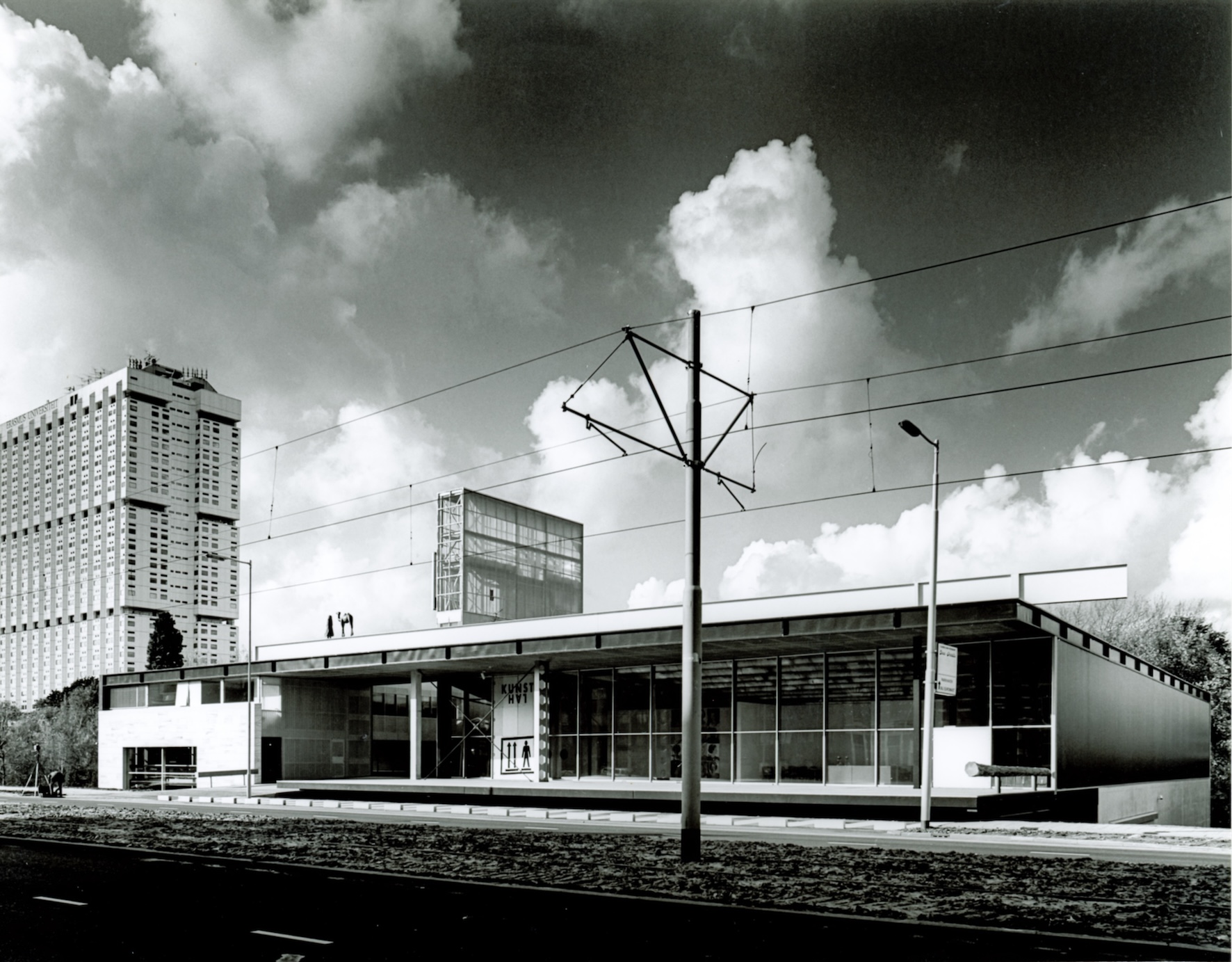
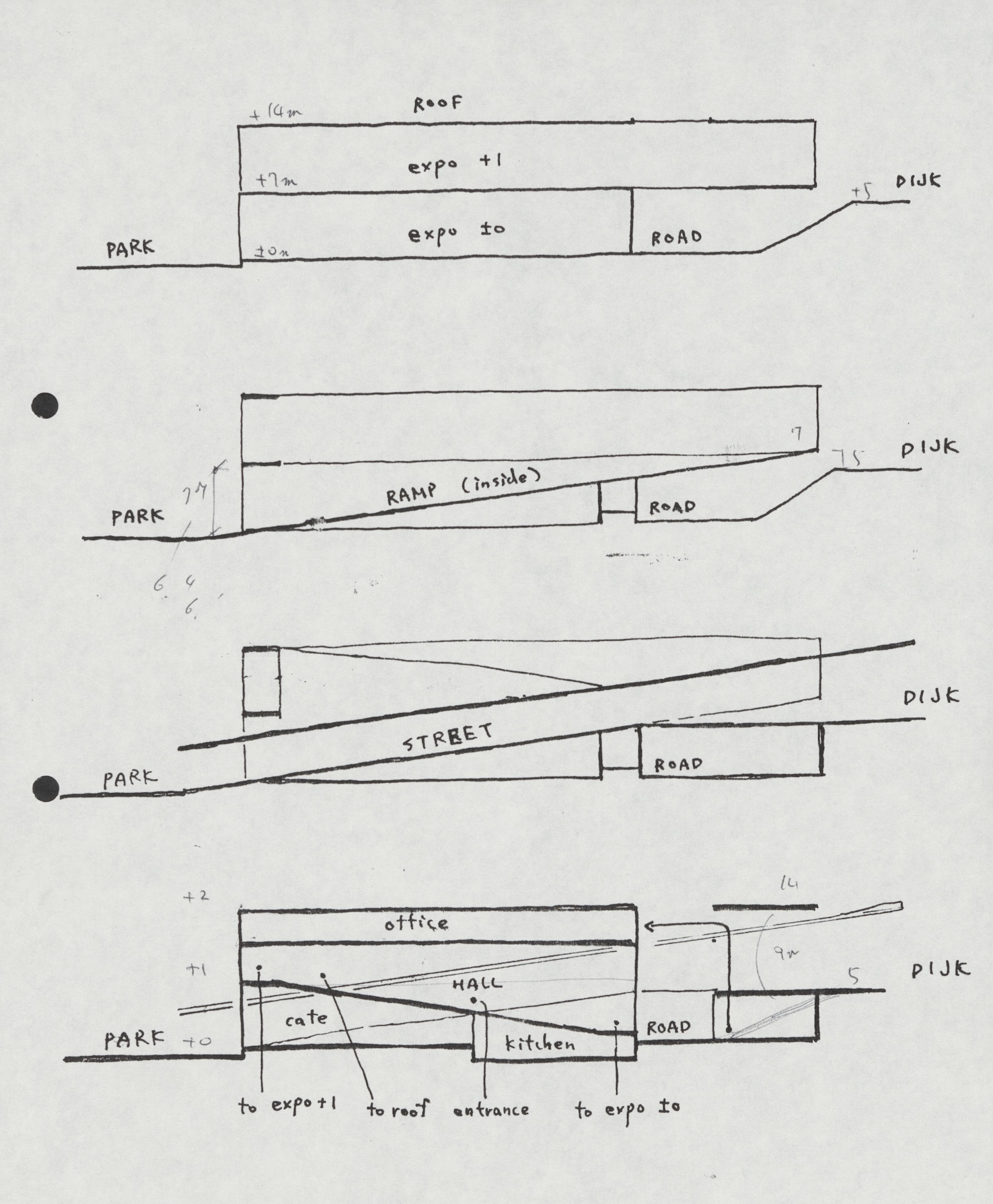
The Kunsthal is a building for temporary exhibitions. It is a design by Rem Koolhaas (OMA), also responsible for the design of Museumpark. A ramp runs through the building to the Westzeedijk, bridging a difference in level of five metres. At the bottom of the embankment, a service road also traverses the building. The various spaces lie on either side of those passageways and are ingeniously connected. In the main hall, the park continues into the building, as it were: here, the columns are disguised as tree trunks.
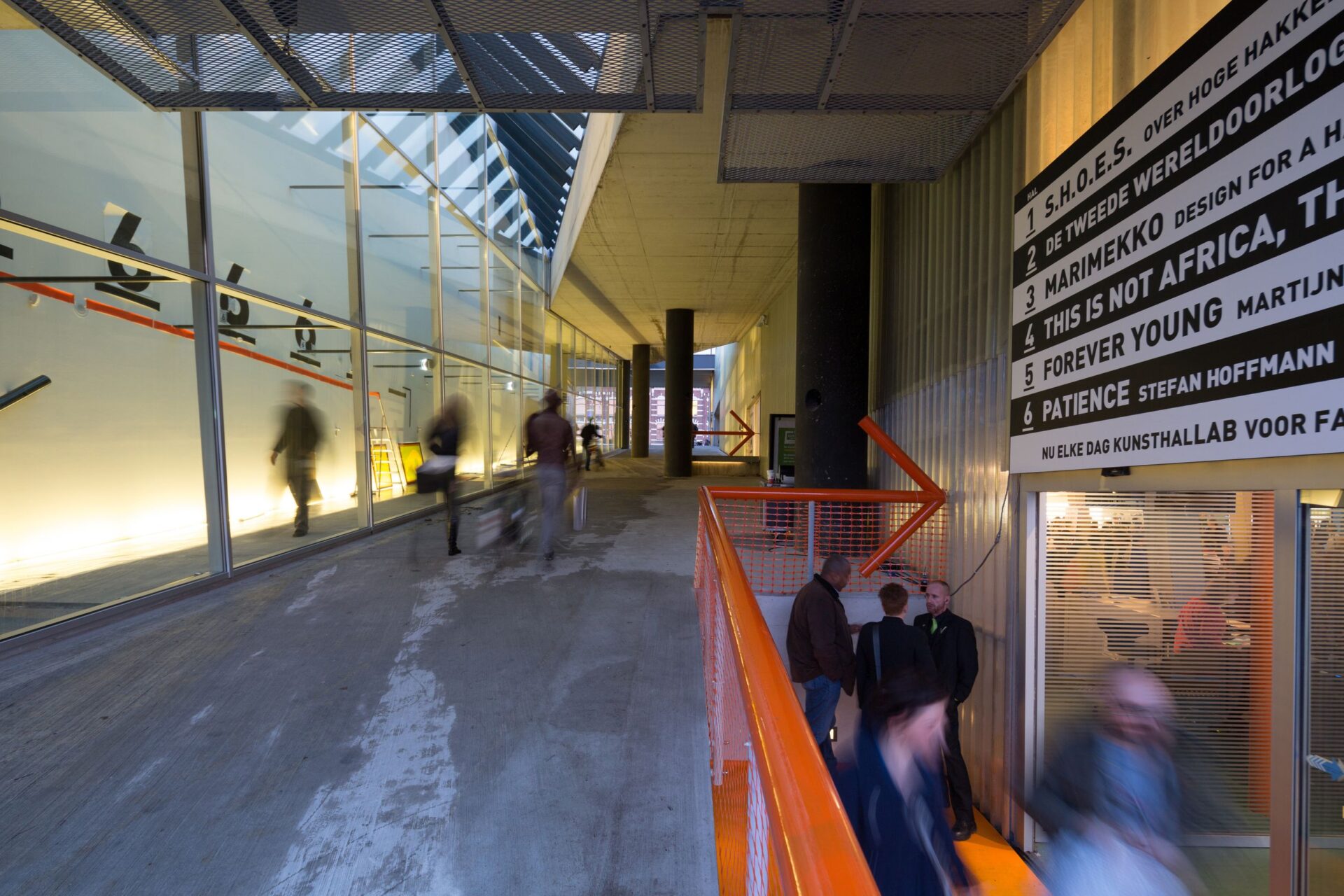
Characteristic of Rem Koolhaas’ architecture is the use of luxurious and cheap materials side by side and sometimes even touching each other. The advertising tower is made of corrugated plastic and the gallery floor of metal gratings. The façade consists partly of Spanish travertine and partly of black tarred concrete. Delicacy and banality meet in this building, both in its architecture and its exhibition programme. After a hesitant start, the Kunsthal has proven to be a major crowd puller.
Terug naar kaart