
Gardens of the Museumpark
From manicured lawns to urban nature
Land van Hoboken
Museumpark
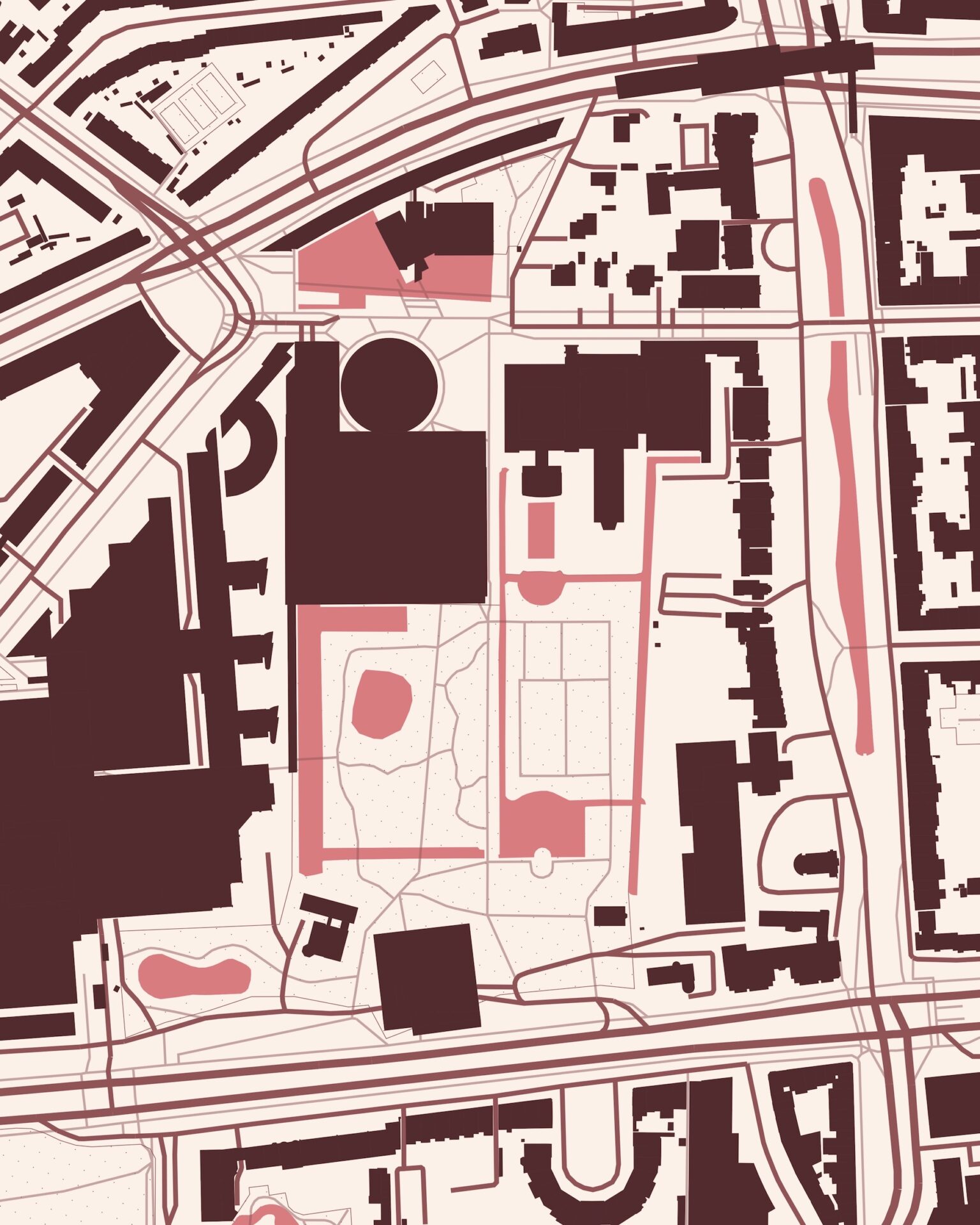
Even though it’s almost impossible to imagine now, a century ago cows and sheep graze in Rotterdam’s city centre. In 1924 the transformation of the Land van Hoboken started, from a private estate to a city park and cultural hotspot. Since then the area has been in constant flux as new ideas keep arising on the role of culture, recreation and greenery in the city. Its once desirable uniformity has disappeared. You find here now a collection of smaller gardens from different eras: romantic and geometric, traditional and modern.
1
2
3
4
5
6
7
8
9
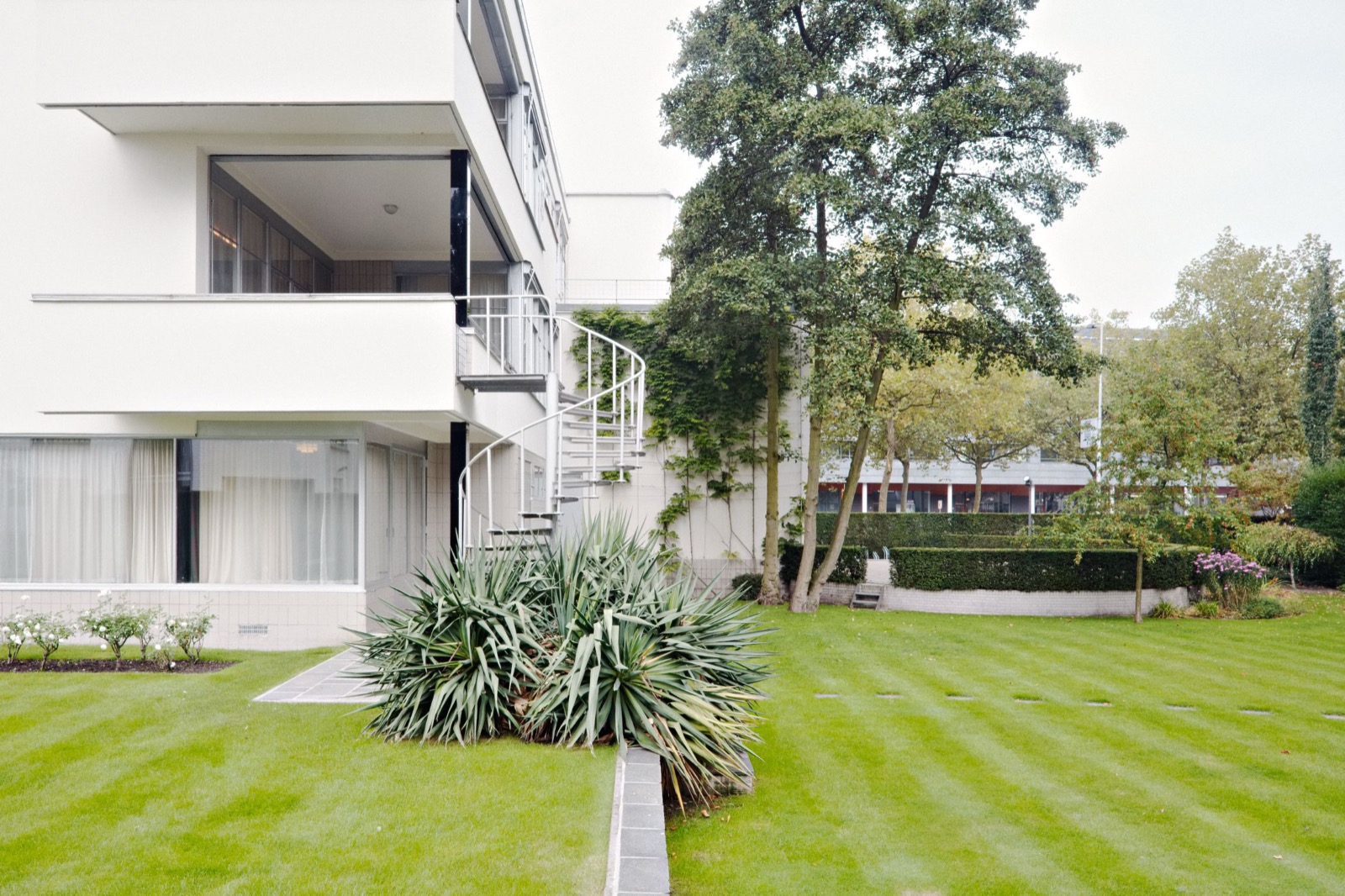
Take a look in Sonneveld House and the first Museumpark garden. Architects Brinkman and Van der Vlugt reflected the house in the garden design with staggered terraces and neatly trimmed hedges. For the Sonneveld family, the garden was a convenient place to enjoy fresh air, sunshine, fun and relaxation.
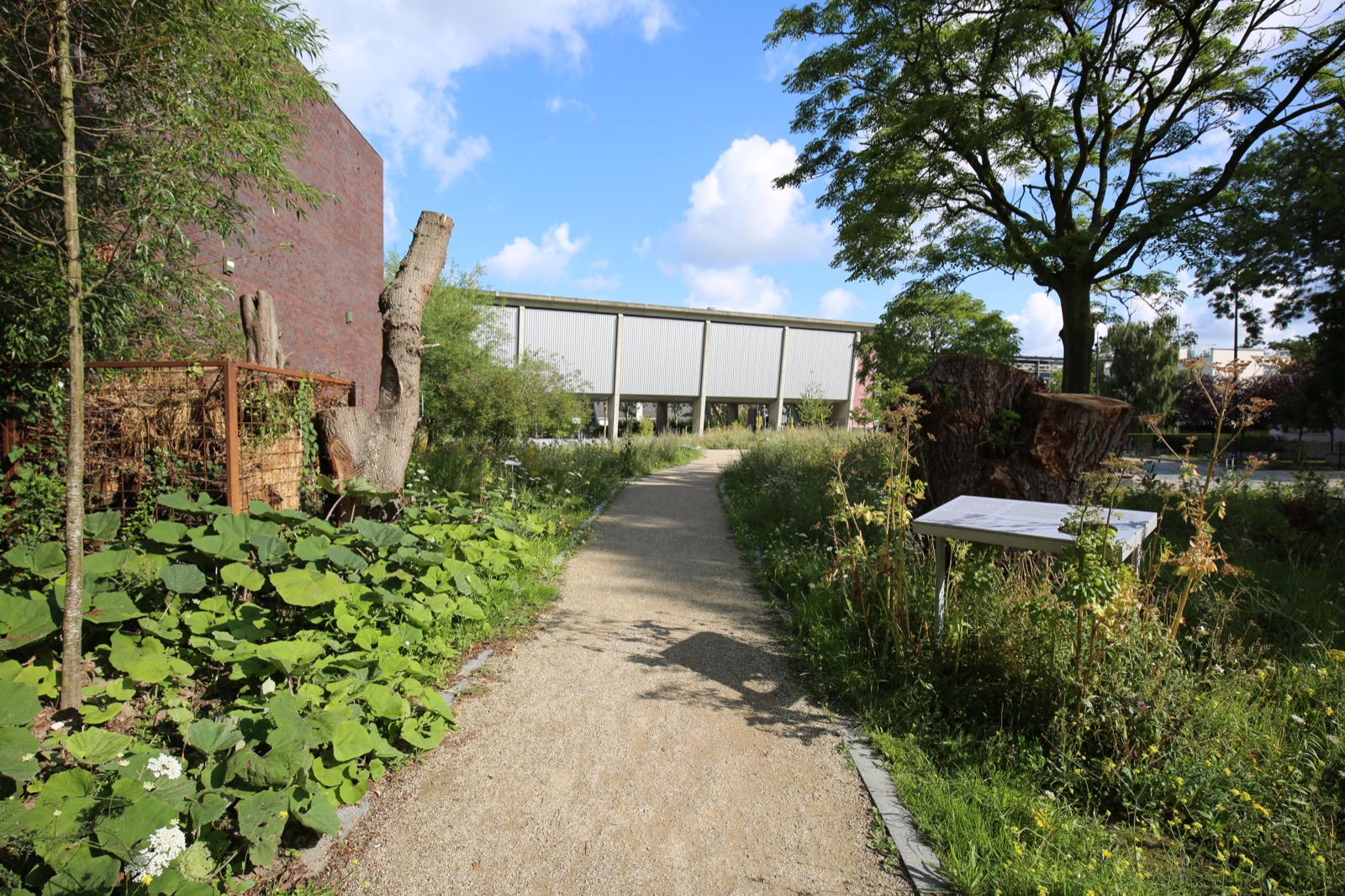
Opposite is now the New Garden: the New Institute’s latest lush addition to the Museumpark. Topical issues on ecological management and biodiversity are the focus of this garden. From microbes to bats, and with around 140 plant species.
Terug naar kaart
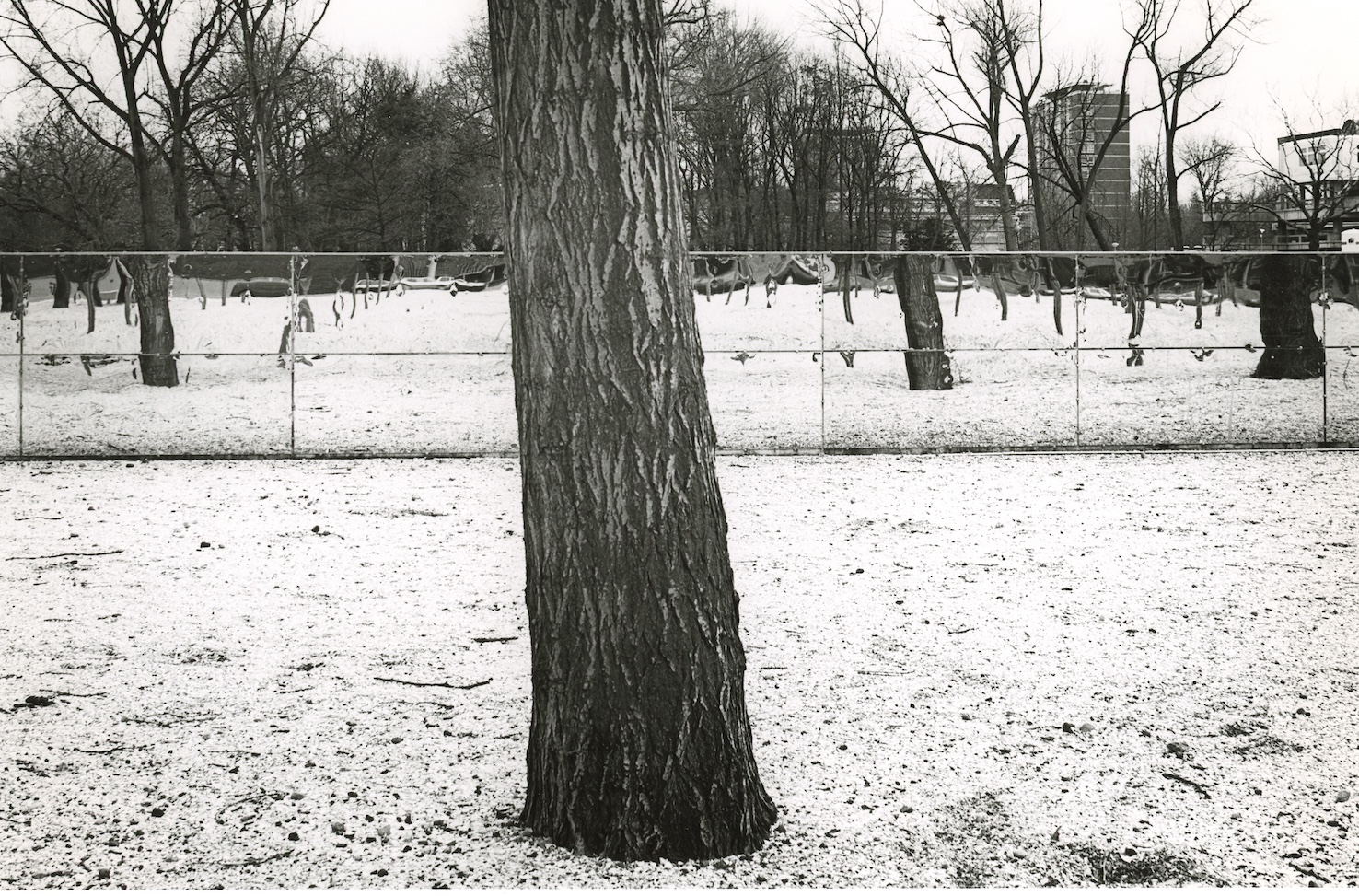
In the original design for Museumpark by Rem Koolhaas (OMA), Petra Blaisse (Inside Outside) and Yves Brunier, there was a unique forecourt. A transition zone between the busy city and the actual park. Originally an orchard with apple trees planted in a strict rhythm. The trunks were whitewashed and the ground at the bottom consisted of white shells. A mirror-clad wall created a sense of endlessness.
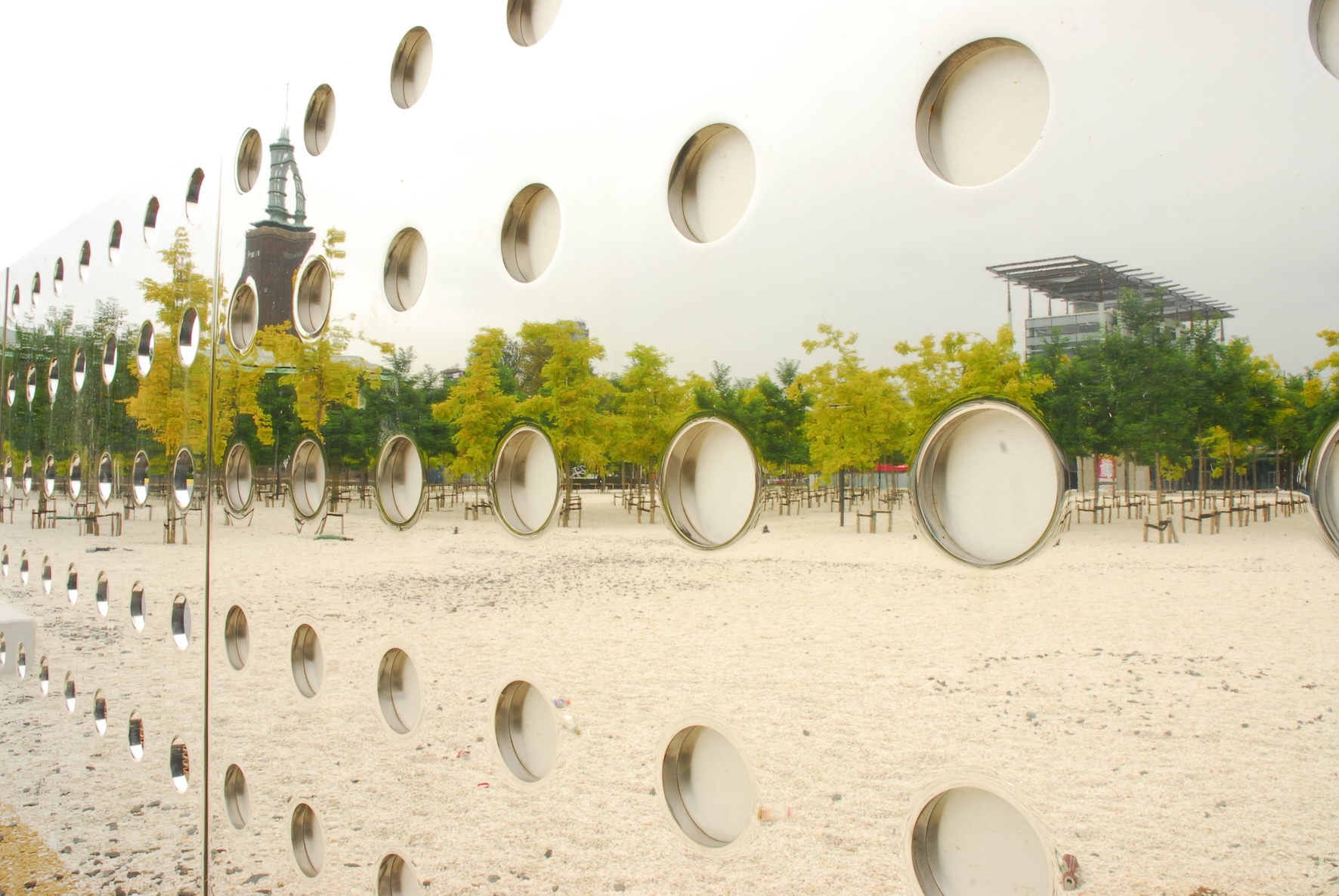
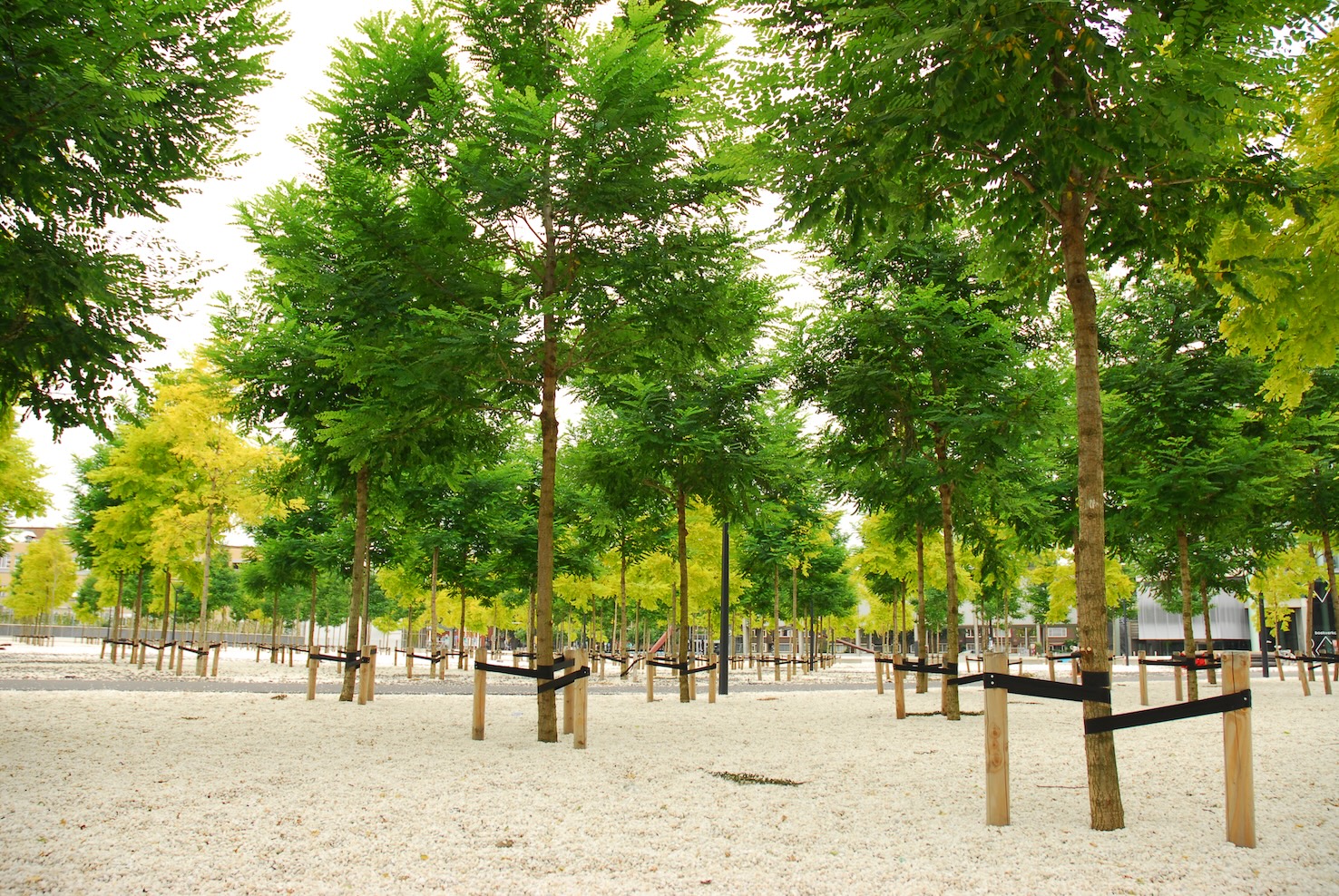
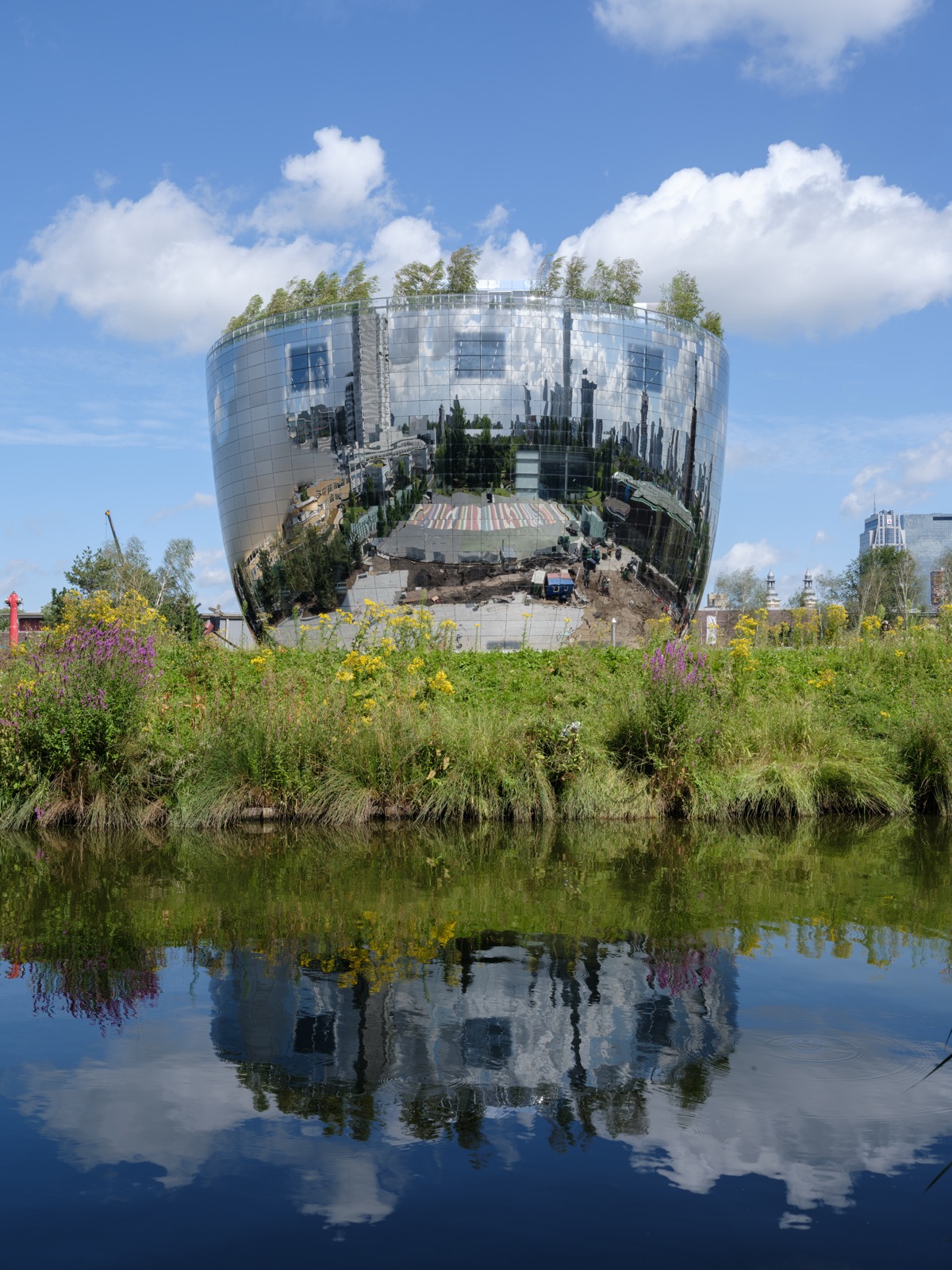
When the underground car park was constructed, they were replaced in 2011 by Honey Locust trees, which flower attractively. Two years later the competition for Depot Boijmans was launched and in 2017 the mirrored building by MVRDV was realised.
Terug naar kaart
The new Depot provides secure, air-conditioned storage for the more than 154,000 artworks, ranging from old masters to contemporary design. With the arrival of the Depot, a rooftop forest has been added to the Museumpark, at a height of 40 metres.
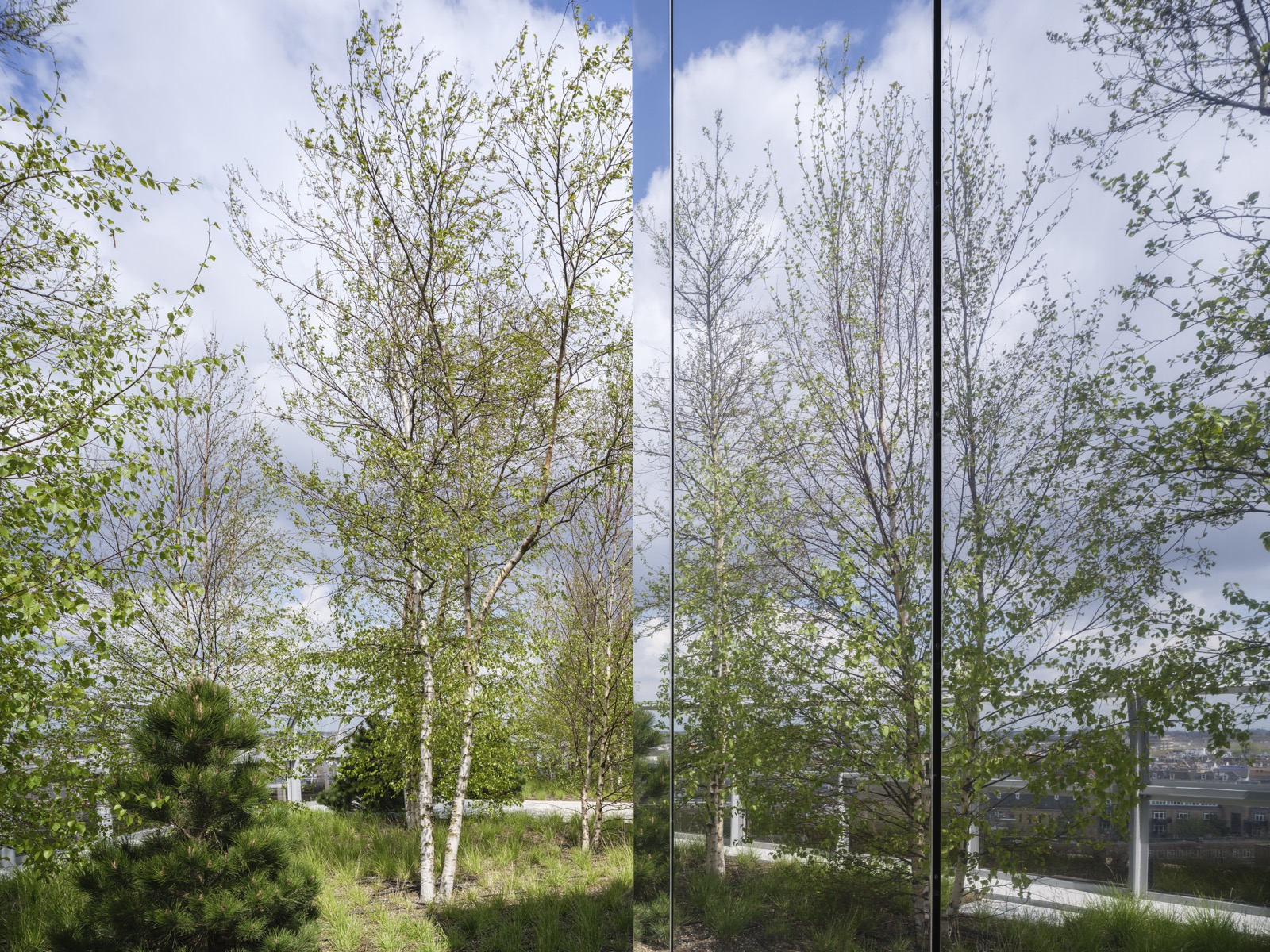
The exotic Robinia’s (locust trees) that were in the park were given a place elsewhere. More than 70 multi-stemmed birches and 20 pines were hoisted to the top. These native trees not only withstand the severe weather conditions on the roof, they are also good for the birds and insects in the park. An ingenious system also stores rainwater in the Depot. This is used for the roof garden and for flushing the toilets.
Terug naar kaart
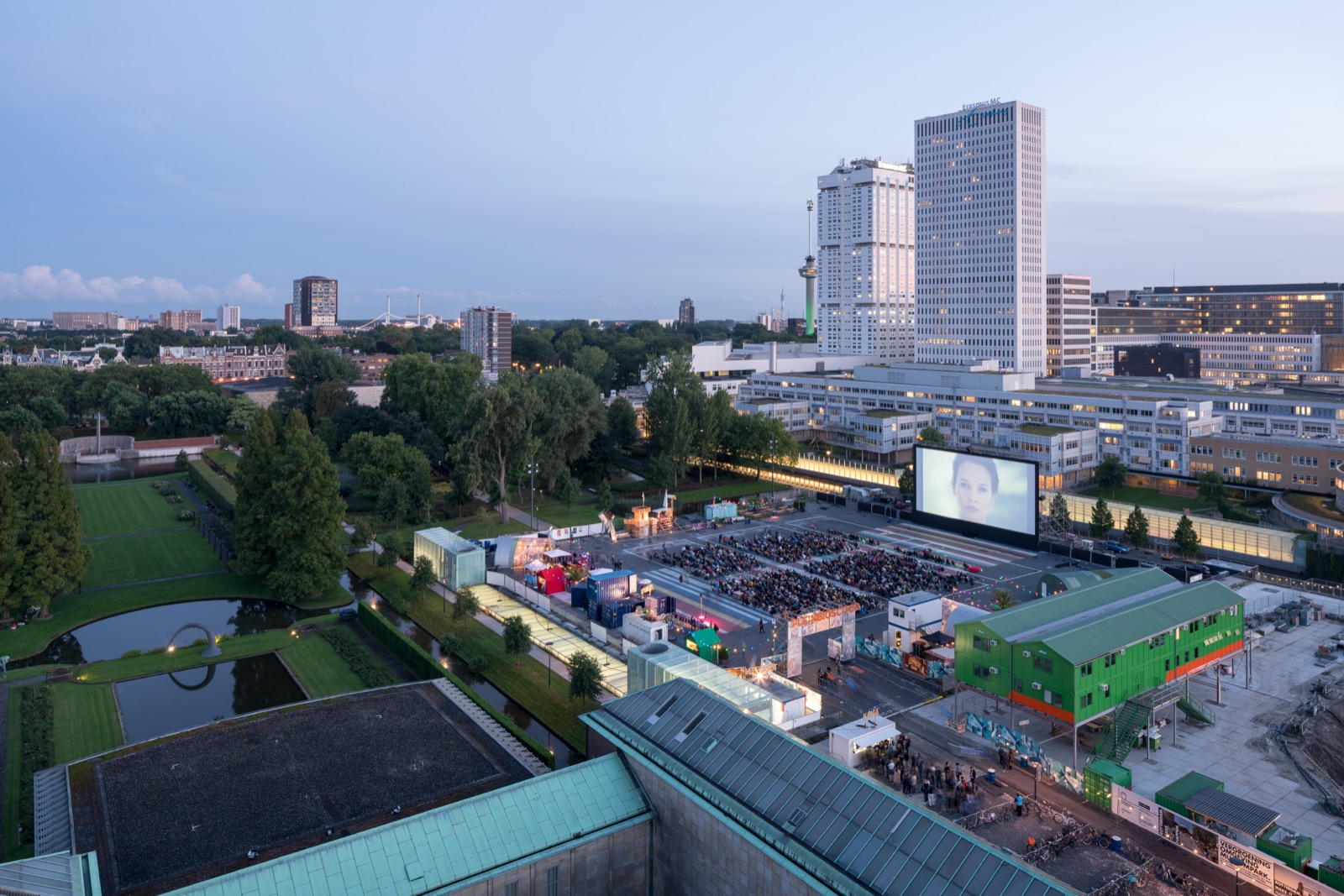
Museumpark has changed enormously in the past two years. The ponds are filled with cleaner water for more flora and fauna. You can even walk across the water on decking. Besides the Depot’s roof, the surrounding grounds have been greened with plant borders and 75 new trees.
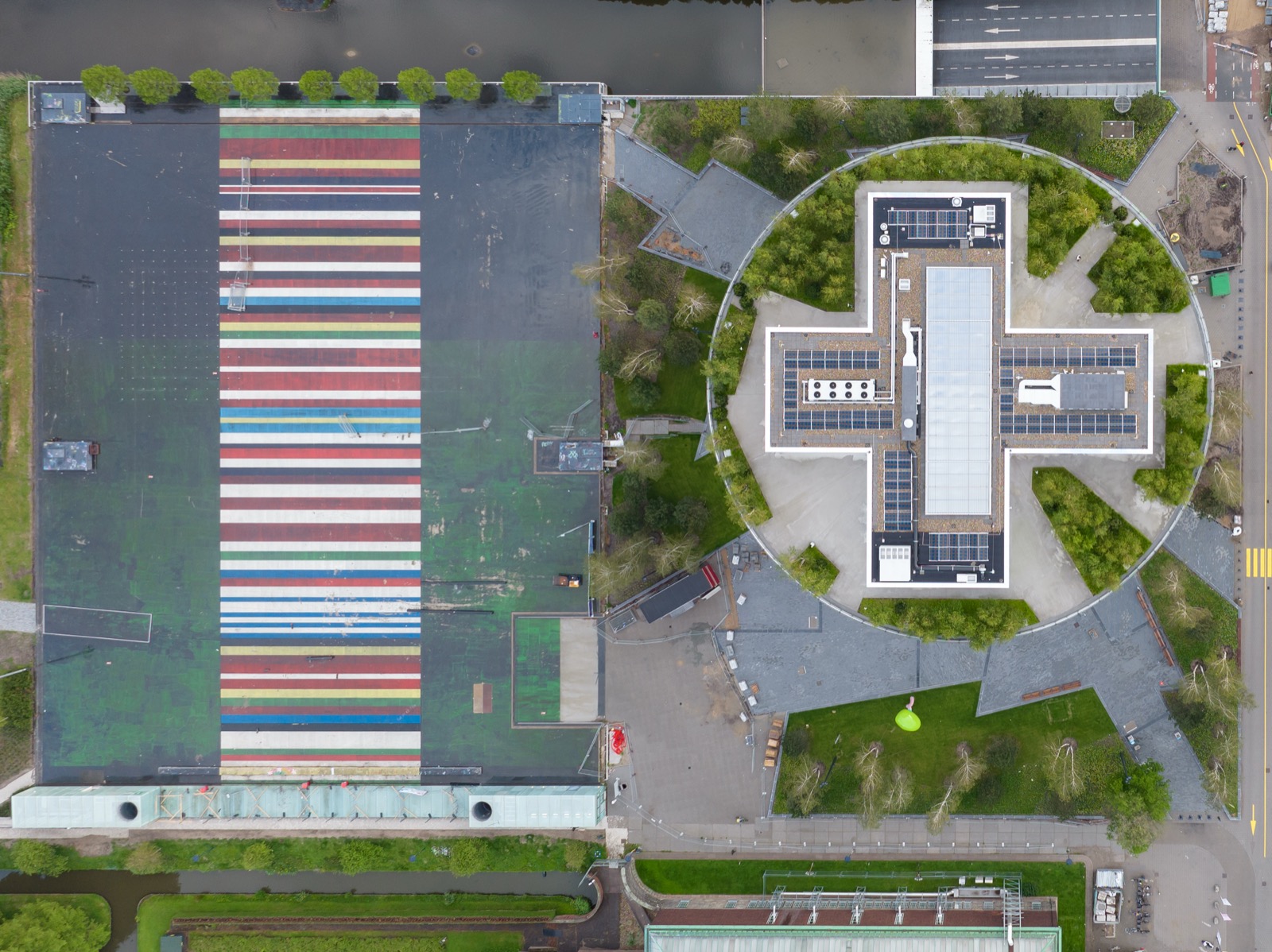
The large asphalt deck – a popular spot for events and local skaters – has also been completely redeveloped. The skate park with its colourful flag deck by OMA has given way to a new, less slippery surface interspersed with lawns, fountains and trees. The changes raise questions about the allocation of space for greenery, urban use and leisure in Museumpark.
Terug naar kaart
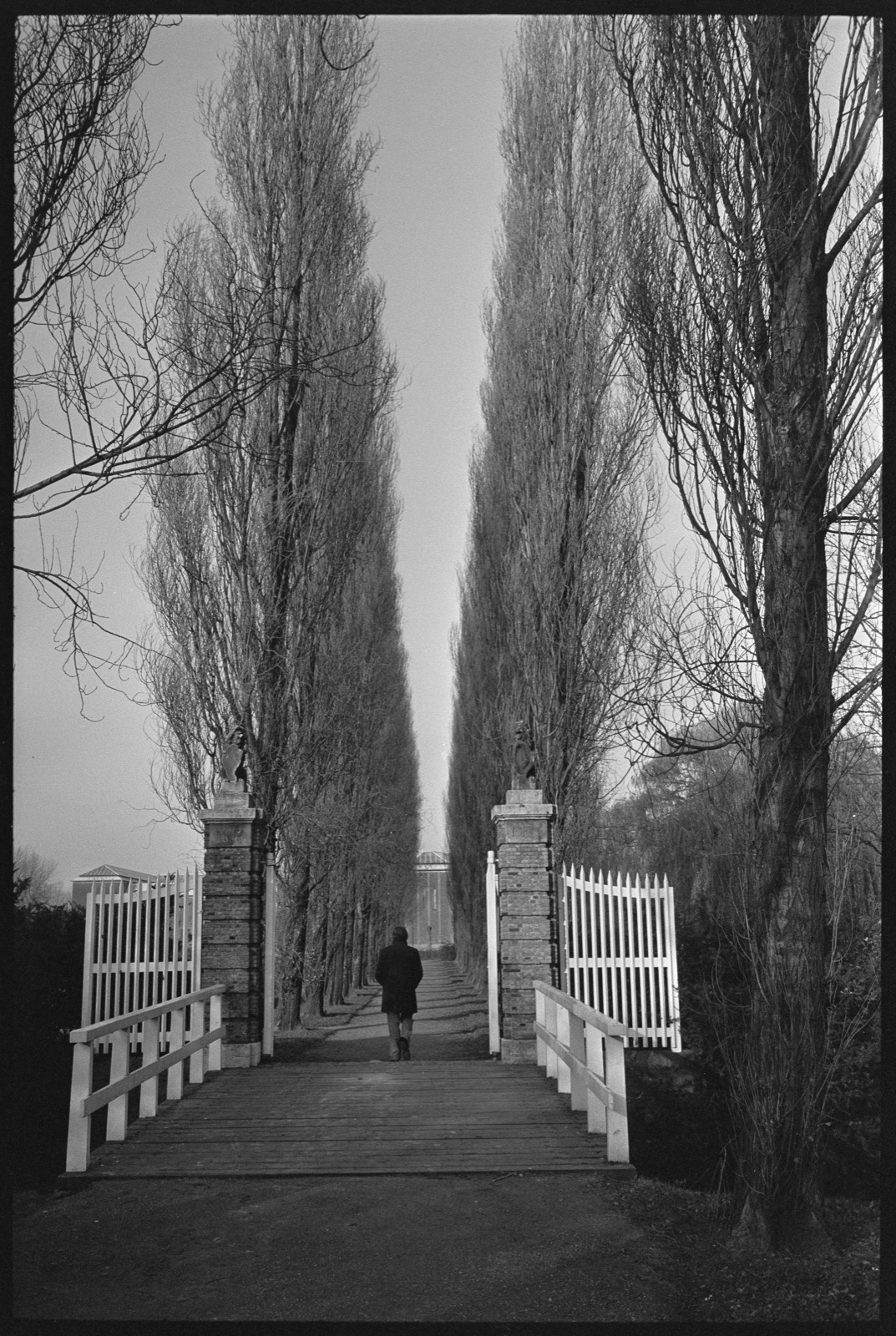
Behind Museum Boijmans Van Beuningen is the Populierenlaan. As the name suggests, this path is flanked on either side by Italian poplars. These trees were planted in the 1930s, at the same time as the museum was built. Since then, they have grown into large, conical trees that screen the avenue from the sun and the rest of the Museum Garden.
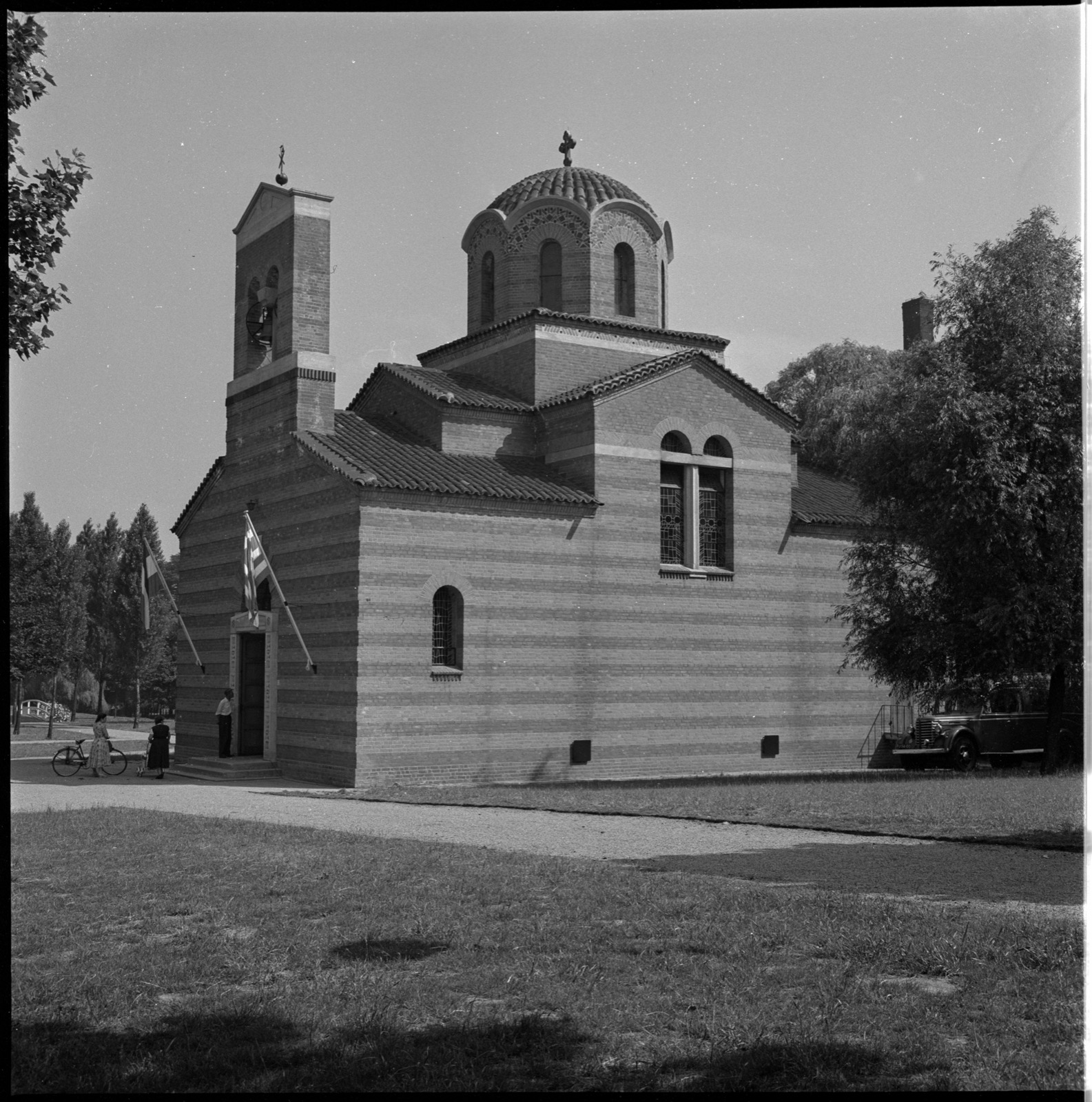
From the late 1950s on, totally different structures were added at the end of the Populierenlaan: the Greek Orthodox Church of St Nikolaas, a 17th-century entrance gate from Muyden farm in Kralingen and on the Westzeedijk, an air-raid shelter from the era of the Cold War threat.
Terug naar kaart
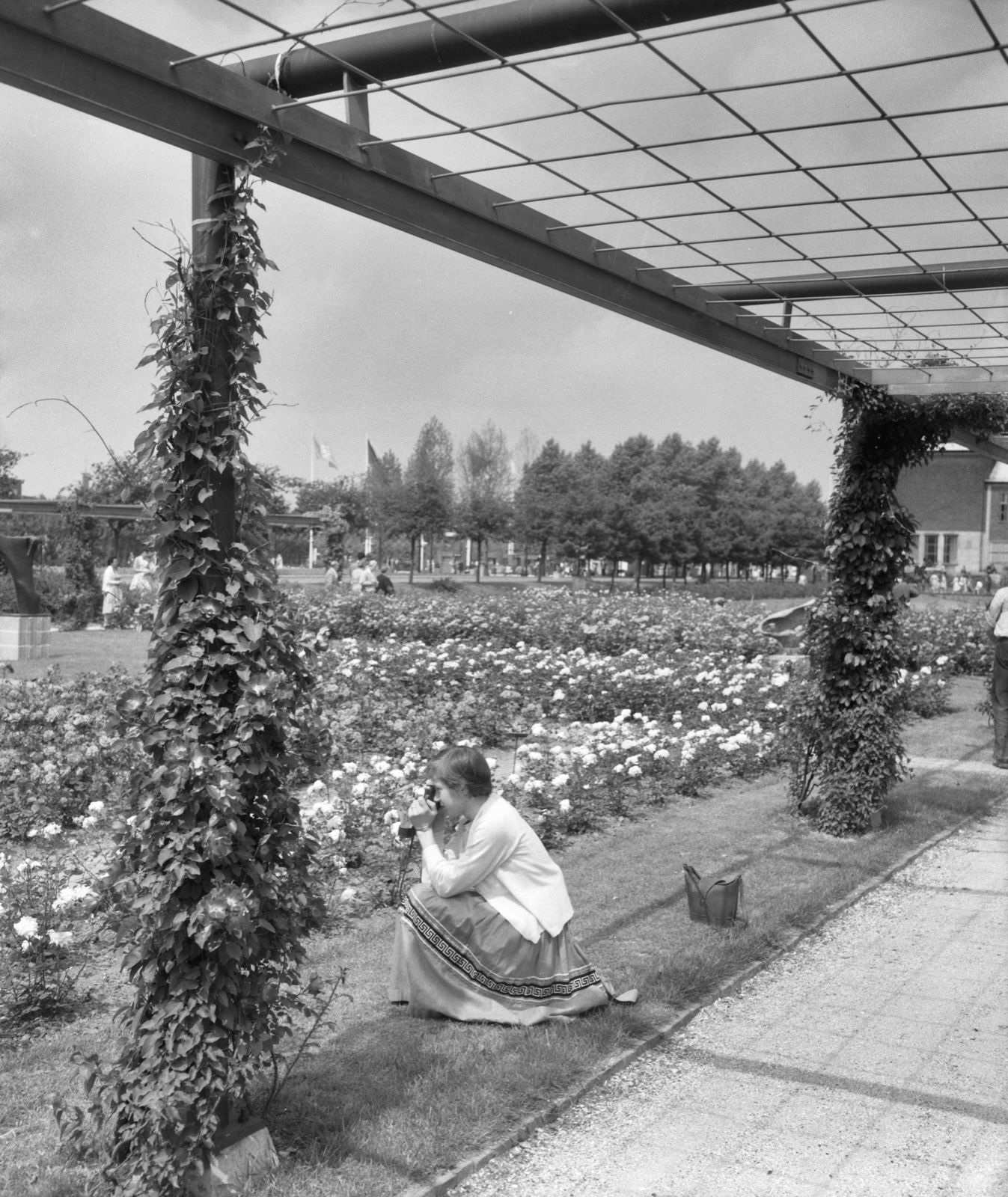
The rosarium – now known as the Rose Garden – is a legacy from the 1960 International Horticultural Exhibition. The Floriade was a high-profile event that attracted many visitors. Het Park and the Museumpark were thoroughly overhauled at that time. So was the Museum Garden behind Boijmans.
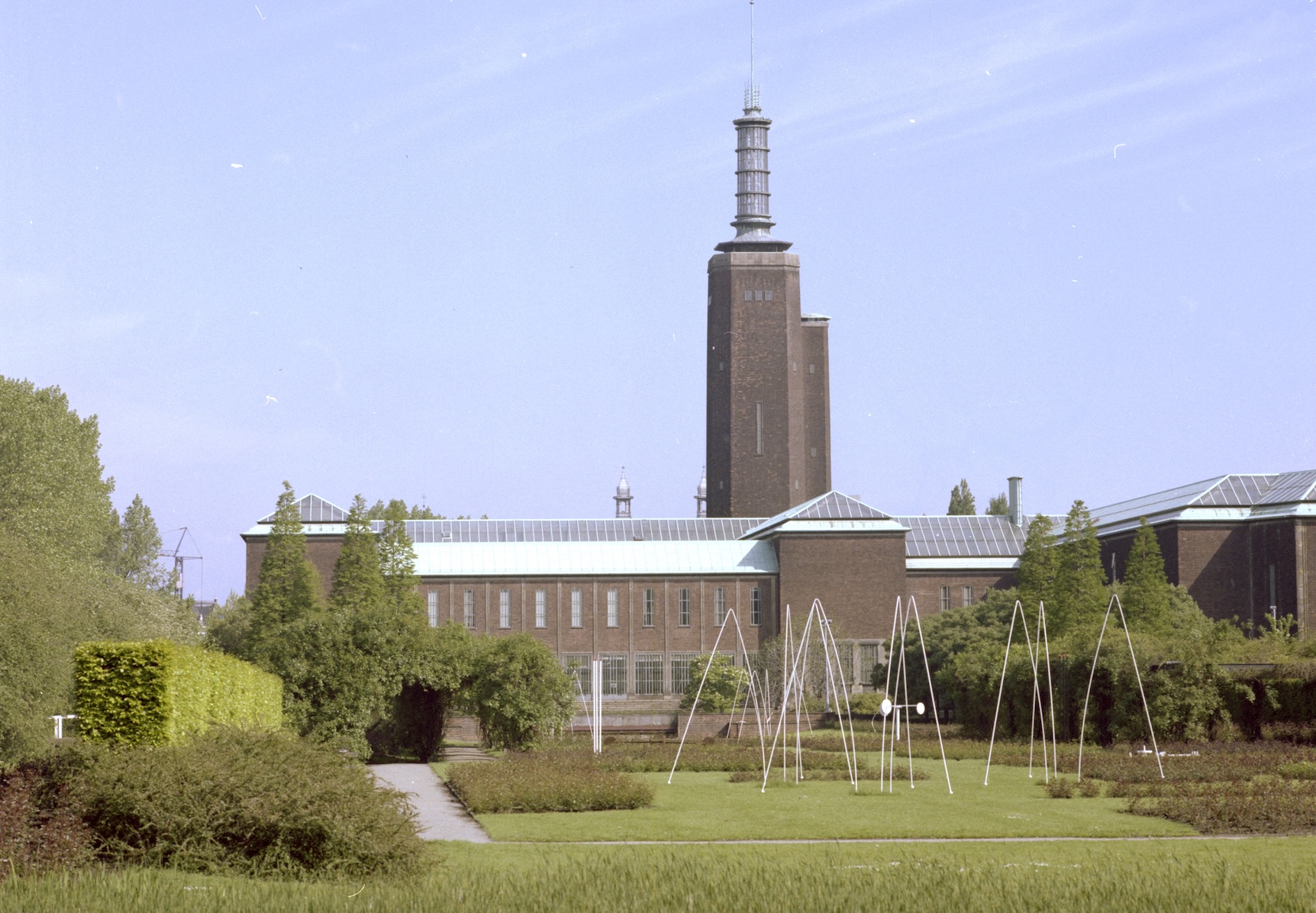
Between the two spherical ponds – where grey herons like to fish – elongated green strips of grass were laid out in 1935. In 1960, these lawns were turned into L-shaped and square rose beds. An asymmetrical system of paths then led the more than 4 million visitors in a zigzag route past the roses and under the rose pergola.
Terug naar kaart
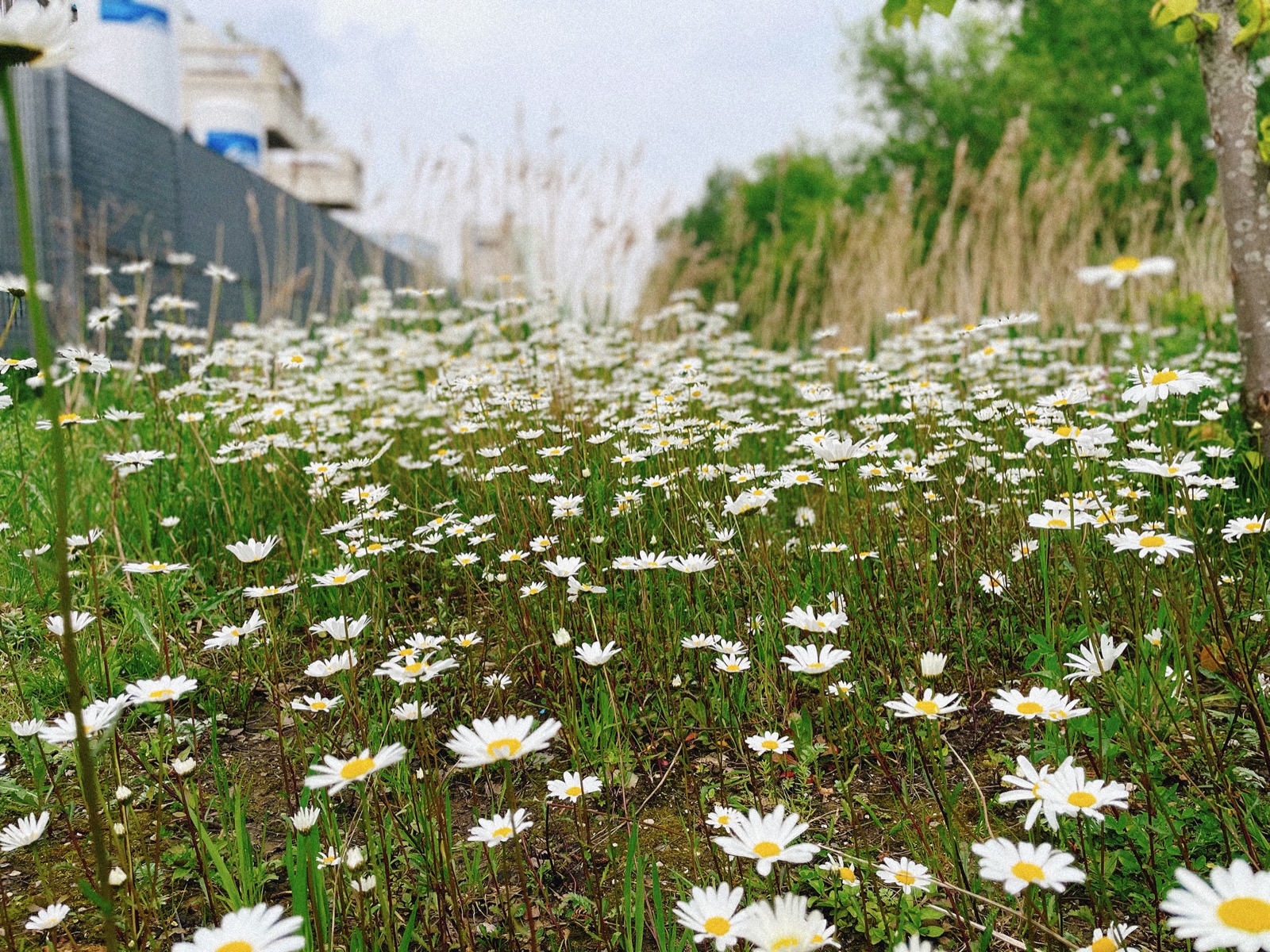
The red mason bee, the wren and the 22-spot ladybird can be found behind the Natural History Museum in the city nature reserve. Here, nature itself has a chance to develop spontaneously. No preconceived ‘nature goals’ or ‘final images’ were designed.
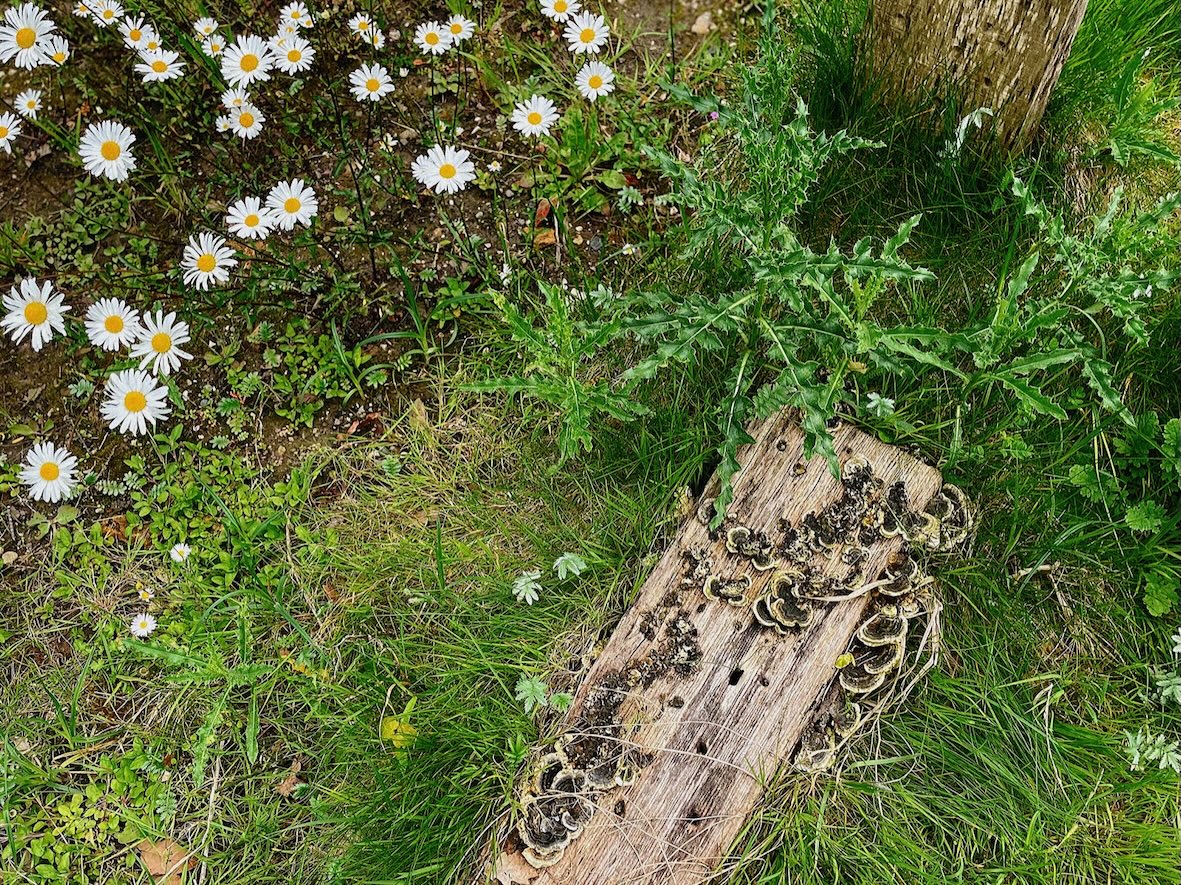
However, nature does get a helping hand with microhabitats for all kinds of plants and animals. There is a sand hill for nesting wild bees and the wooden poles with holes can accommodate even more insects.
Terug naar kaart
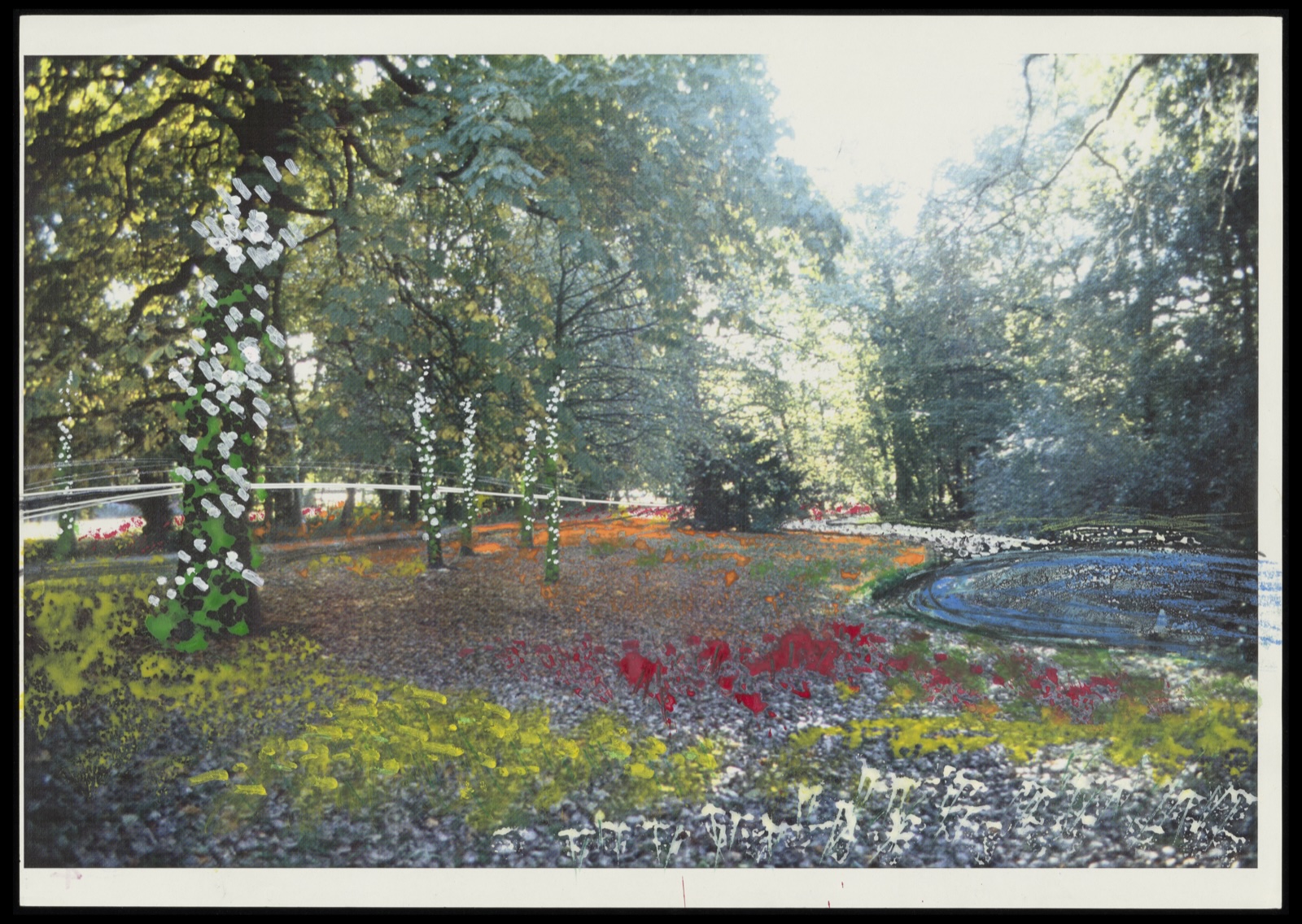
Between the Kunsthal and the events deck is the Romantic Garden, a design by OMA with landscape architect Yves Brunier. This picturesque garden is divided into monochrome areas of colour, which creates a large colourful carpet. Throughout the year, the different plants in the areas change colour with their leaves, blossom and fruit. No season is the same here.
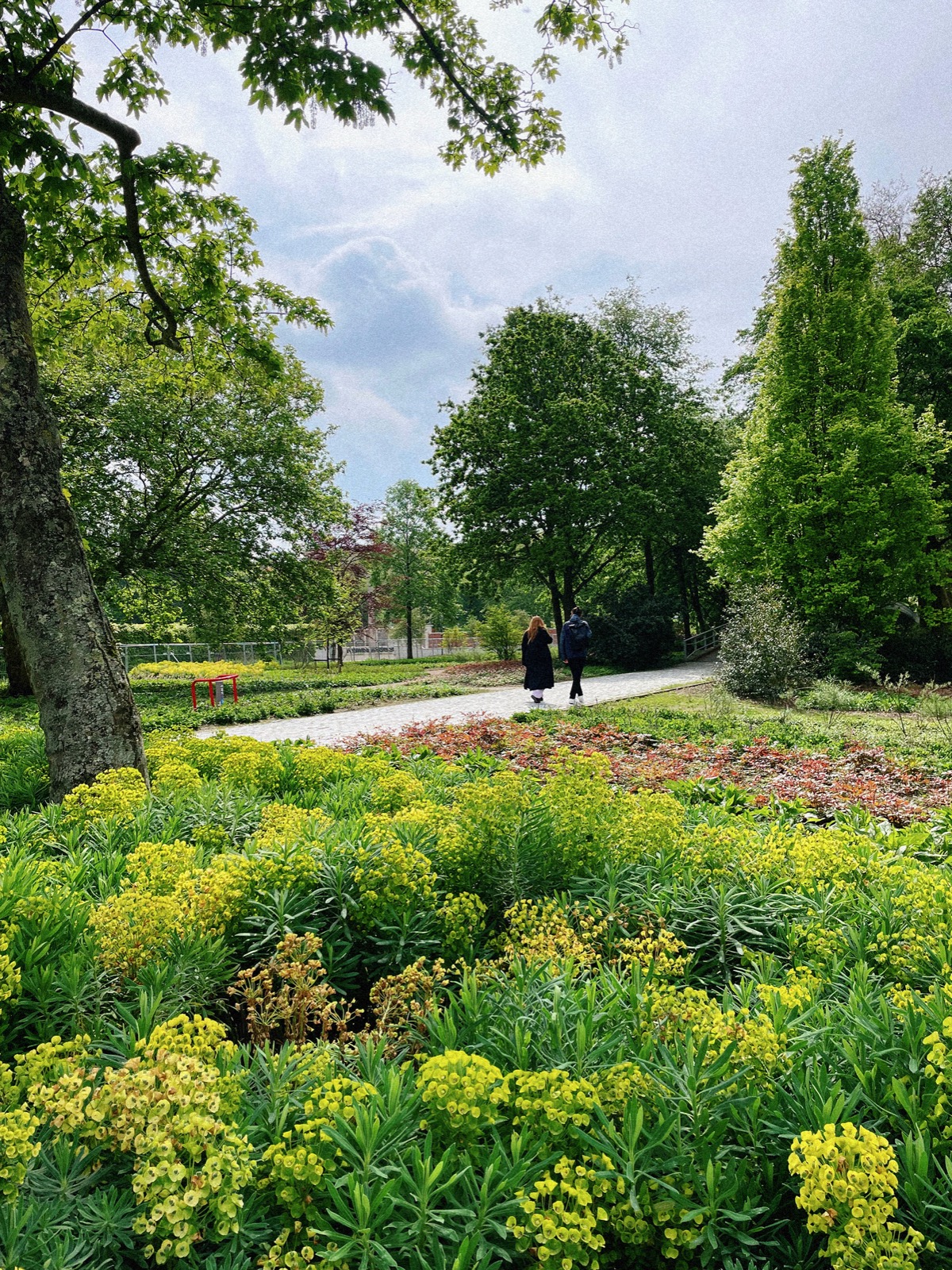
The tall pedunculate oaks here with ivy growing up along the trunks still partly date from the time of the Hoboken estate. They provide shelter, nesting space and food for birds and insects. At different times of the year, you can see the ivy bee, greenfinch and wren among the greenery here. Opposite the oaks, there are horse chestnuts, maples and hawthorns growing and a veritable flower show is on display.
Terug naar kaart
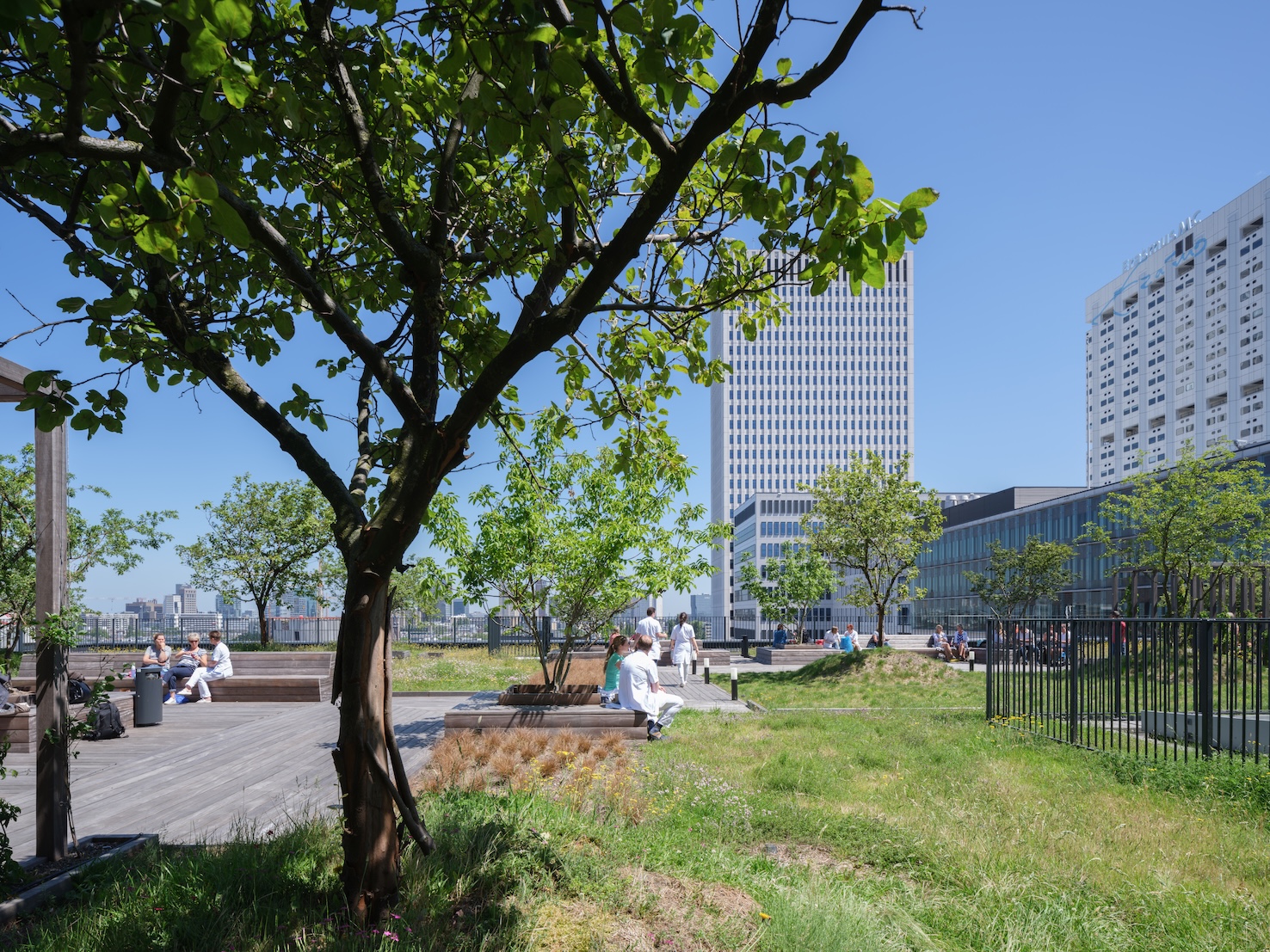
All the news buildings mean that less and less park remain. Fortunately, new gardens have been created around the former. At the Erasmus Medical Center, gardens from a small oases of green, a ‘healing environment’ for patients and visitors. In addition to the courtyards, there are also roof terraces on the eight floer. Landscape architects Juurlink + Geluk laid these out like orchards, with apple and pear trees.
Terug naar kaart